 Apply for Financing

 855-410-TECH(8324)
 APPLY FOR FINANCING
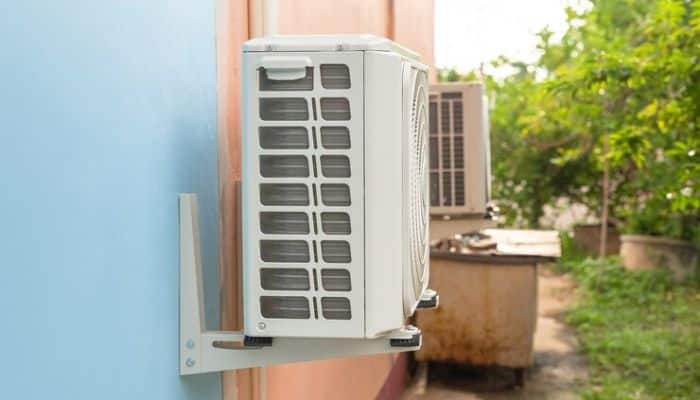
For a typical residential replacement, homeowners can expect the total installed price to vary widely depending on the AC system type, cooling capacity, efficiency rating, ductwork, electrical requirements, installation complexity, and local labor costs. Current 2026 cost data places professional AC replacement in a broad range, so getting a home-specific estimate is more useful than relying on one nationwide price.
If you’re comparing the cost of a new AC unit, don’t look at the equipment price alone. The final project can include the air conditioner, indoor equipment, labor, refrigerant-related work, electrical connections, thermostat, permits, duct modifications, and removal of the old system.
New AC Unit Cost at a Glance
The total price of a new air conditioning system depends on what your home actually needs.
Your final quote may be affected by:
- AC system type
- Required cooling capacity
- Home size and layout
- Energy-efficiency rating
- Condition of existing ductwork
- Electrical requirements
- Thermostat and control upgrades
- Installation accessibility
- Permits and local requirements
- Removal of the existing equipment
For this reason, two homeowners can receive very different quotes for what appears to be the same AC replacement.
What Does a New AC Unit Cost Include?
A professional replacement may include:
- Outdoor condenser
- Indoor evaporator coil or compatible indoor equipment
- Refrigerant connections
- Installation labor
- Electrical connections
- Drain and condensate components
- Thermostat or control setup
- System testing and commissioning
- Removal of the old equipment
Additional work may be required when existing ductwork, electrical components, or other parts of the HVAC system are not compatible with the new equipment.
That’s why an unusually low equipment-only price does not necessarily represent the true cost of replacing an air conditioner.
What Factors Affect the Cost of a New AC Unit?
1. AC Size and Cooling Capacity
The size of your air conditioner is one of the biggest factors affecting both equipment selection and installation cost.
However, bigger does not automatically mean better.
An oversized system can cool a space quickly but may not run long enough to remove humidity effectively. An undersized system can struggle to maintain the desired temperature during hot weather.
ENERGY STAR recommends having the system properly sized using a Manual J load calculation, which considers the home’s heating and cooling requirements rather than relying only on square footage.
For homeowners researching a new AC unit for a house, this is one of the most important questions to ask before accepting an installation quote.
2. Energy Efficiency
Higher-efficiency equipment can cost more initially, but its operating cost can differ from that of a less-efficient system.
Modern equipment uses SEER2 as a cooling-efficiency rating. The U.S. Department of Energy explains that SEER2 is the updated efficiency rating used for residential air-conditioning equipment following the testing changes that took effect in 2023.
Instead of choosing equipment based solely on the highest available efficiency rating, compare:
- Purchase price
- Expected operating costs
- How long you expect to own the system
- Available incentives
- Your home’s cooling requirements
The right balance depends on your home and budget.
3. Existing Ductwork
Your existing duct system can have a major impact on the final installation.
If ducts are damaged, undersized, poorly insulated, or leaking, simply installing a new condenser may not solve comfort problems.
During an AC replacement, ask the contractor whether your existing ductwork can properly support the new system.
This is especially important if you currently experience:
- Hot or cold rooms
- Weak airflow
- Uneven cooling
- Excessive dust
- High energy consumption
4. Electrical Requirements
A new system may require electrical work if the existing circuit, disconnect, wiring, or panel configuration is not suitable.
Electrical modifications can therefore increase the final project cost.
A professional evaluation should identify these requirements before installation begins rather than after the old system has already been removed.
5. Installation Complexity
Not every AC replacement is a simple equipment swap.
Installation may become more complicated when:
- Equipment is difficult to access
- Ductwork needs modification
- Refrigerant lines require changes
- Electrical upgrades are necessary
- The indoor coil configuration must change
- Condensate drainage needs correction
- The existing system has unusual dimensions
A detailed estimate should explain these potential costs rather than presenting only a single equipment price.
How Much Does a New AC Unit Cost for a House?
There is no reliable single price for every home.
A small, straightforward replacement can cost considerably less than a larger home requiring ductwork, electrical upgrades, or higher-efficiency equipment.
For example, a 2,000-square-foot home should not automatically be assigned a specific AC tonnage based only on square footage. Insulation, windows, ceiling height, orientation, occupancy, ductwork, and local climate conditions can all influence the required capacity.
ENERGY STAR specifically recommends professional load calculations for determining the appropriate system size.
For this reason, homeowners should treat online cost ranges as planning figures rather than guaranteed quotes.
New AC Unit vs. Repair: Which Should You Choose?
Replacing an AC isn’t always the right answer.
A repair may make more sense when the system is relatively young and the problem is isolated and reasonably inexpensive to correct.
Replacement becomes more worth investigating when you have several of these conditions:
- The system is approaching the end of its expected service life.
- Repairs are becoming frequent.
- Cooling is inconsistent.
- Energy costs have increased.
- The system uses older technology.
- Major components are failing.
- Replacement parts are difficult or expensive to obtain.
- The system no longer provides acceptable comfort.
Instead of deciding based on age alone, compare the expected repair cost and future reliability with the cost of a properly installed replacement.
How to Choose the Right New Air Conditioning Unit?
Price should be only one part of the decision.
Before selecting a system, ask your HVAC contractor:
Is the system correctly sized?
Ask whether a Manual J load calculation was performed. ENERGY STAR recommends proper sizing because an incorrectly sized system can negatively affect comfort and performance.
Is the equipment properly matched?
The indoor and outdoor components should be compatible and installed according to the manufacturer’s requirements.
What efficiency rating does it have?
Compare SEER2 ratings and consider expected operating costs rather than choosing equipment based solely on the highest rating.
What is included in the installation price?
Ask whether the estimate includes:
- Equipment
- Labor
- Removal
- Electrical work
- Thermostat
- Refrigerant-related work
- Duct modifications
- Permits
- Startup and testing
- Warranty coverage
A written scope helps prevent unexpected charges.
How to Lower the Cost of a New AC Unit?
You don’t necessarily need to choose the cheapest equipment to control your total project cost.
Instead:
- Get more than one detailed estimate.
- Compare complete installed prices.
- Ask what each quote includes.
- Select the correct system size.
- Address serious duct problems before installation.
- Compare efficiency against expected ownership period.
- Ask about current manufacturer or utility incentives.
- Consider financing options when appropriate.
- Schedule replacement before an emergency breakdown when possible.
Planning ahead gives you more time to compare equipment and installation options instead of making a rushed decision during extreme weather.
Prepare Your Home Before AC Installation
Once you’ve decided to replace your system, preparing the property can make installation easier.
Clear access to the indoor and outdoor equipment, remove obstacles around the work area, and make sure the electrical panel and HVAC equipment are accessible.
For a step-by-step preparation checklist, see How to Prepare Your Home for a New AC Installation.
The guide covers workspace preparation, electrical access, ductwork considerations, equipment access, and what homeowners can expect during installation.
What Should You Ask Before Buying a New AC Unit?
Before signing an installation agreement, ask:
- What size system does my home actually require?
- Was a Manual J load calculation performed?
- What SEER2 rating does the proposed system have?
- Are the indoor and outdoor components properly matched?
- Is my existing ductwork suitable?
- Will my electrical system support the new equipment?
- What exactly is included in the quoted price?
- Are permits included?
- How long will installation take?
- What labor and manufacturer warranties are included?
These questions help you compare proposals based on the complete project rather than the equipment price alone.
How Long Does a New AC Unit Last?
The service life of an air-conditioning system depends on equipment quality, installation, operating conditions, maintenance, and usage.
Regular maintenance can help identify developing problems and keep the system operating properly.
A new system should also be installed according to the manufacturer’s requirements. Proper sizing, component matching, airflow, and installation quality matter just as much as the equipment selected.
Get a Professional AC Replacement Estimate
The cost of a new AC unit depends on your home’s cooling requirements and the work necessary to install the system correctly. A professional evaluation can identify the appropriate system size, equipment requirements, ductwork condition, electrical needs, and installation scope.
Maryland Heating & Air provides air-conditioning installation, replacement, repair, and maintenance services and states that it serves residential and commercial customers throughout Maryland and surrounding areas.
If you’re considering replacing an aging or unreliable system, request a home evaluation and compare the complete installation scope—not just the price of the equipment.
Frequently Asked Questions About New AC Unit Cost
How much is a new AC unit?
The cost varies by system type, size, efficiency, installation complexity, ductwork, electrical requirements, and location. Current 2026 replacement data shows a broad professional installation range rather than one universal price.
How much does a new AC unit cost for a 2,000-square-foot house?
There is no accurate price based on square footage alone. A 2,000-square-foot home can require different equipment depending on insulation, windows, layout, climate, ductwork, and other factors.
What is included in the cost of a new air conditioning unit?
A complete replacement may include equipment, installation labor, indoor and outdoor components, electrical connections, refrigerant-related work, system testing, and removal of the old equipment. Additional work may cost extra.
Is a higher SEER2 rating worth the extra money?
It can be, depending on your electricity use, expected ownership period, equipment price difference, and local conditions. Compare the higher upfront cost with expected operating savings rather than automatically choosing the highest rating.
Should I repair or replace my AC?
Consider replacement when the system is aging, repairs are recurring or expensive, comfort is declining, or major components are failing. A professional inspection can help determine whether repair or replacement makes more financial sense.
How do I know what size AC unit my house needs?
A professional load calculation is the most reliable approach. ENERGY STAR recommends using Manual J to determine the heating and cooling requirements of a home.
Can I replace only the outdoor AC unit?
It depends on the existing system and equipment compatibility. A contractor should verify that the proposed components can operate as a properly matched system before recommending a partial replacement.
Should I get multiple AC replacement estimates?
Yes. Compare detailed proposals that specify equipment, efficiency, installation work, warranties, and additional costs. Comparing the complete scope makes it easier to understand why quotes differ.