 Apply for Financing
 855-410-TECH(8324)
 APPLY FOR FINANCING
A properly maintained heat pump operates up to 25% more efficiently than a neglected system, directly reducing monthly utility bills while extending equipment lifespan. Because heat pumps handle both heating in the winter and cooling in the summer, they accumulate twice as many operational hours as traditional furnaces or standalone air conditioners.
This guide details what routine heat pump maintenance involves, provides a step-by-step DIY checklist, and explains when to schedule professional servicing.
Monthly & Seasonal DIY Heat Pump Maintenance Checklist
Homeowners can easily perform basic maintenance between professional visits to maintain system airflow and indoor air quality.
1. Inspect and Replace Air Filters (Every 1–3 Months)
Clogged air filters restrict system intake, forcing the blower motor to draw more amperage and potentially causing evaporator coils to freeze over.
-
Action: Check return air grilles monthly. Replace standard pleated filters every 30 to 60 days (or every 30 days if pet hair and dander are present). If using washable filters, wash and dry them completely before reinstallation.
2. Maintain Outdoor Unit Clearance (Monthly)
Your outdoor heat pump requires unobstructed airflow to release or extract thermal energy from ambient air.
-
Action: Maintain at least 2 feet (24 inches) of clearance around all sides of the condenser. Trim back shrubs, tall grass, and hanging foliage. Clear away autumn leaves, twigs, dirt build-up, and winter snow or ice. Gently rinse dirt off the outer aluminum fins with a standard garden hose (avoid pressure washers).
3. Flush the Condensate Drain Line (Spring & Fall)
During cooling operations, humidity pulled from indoor air drains away via a condensate pipe. Algae, dust, and sludge can accumulate in this line, causing overflow damage inside your home.
-
Action: Pour one cup of regular white vinegar down the condensate drain line access port twice a year to kill algae build-up and clear minor blockages.
4. Verify Unobstructed Air Vents
Blocking vents alters static pressure across your duct system, placing excess stress on fan motors.
-
Action: Ensure supply registers and return grilles are free of furniture, heavy drapes, or rugs. Keep interior doors open when possible to support balanced air circulation.
What Does Professional Heat Pump Maintenance Include?
While homeowners handle basic surface cleaning, heat pumps operate under high electrical voltage and pressurized refrigerant lines. A certified technician performs an 8-point technical evaluation to keep components within manufacturer specifications.
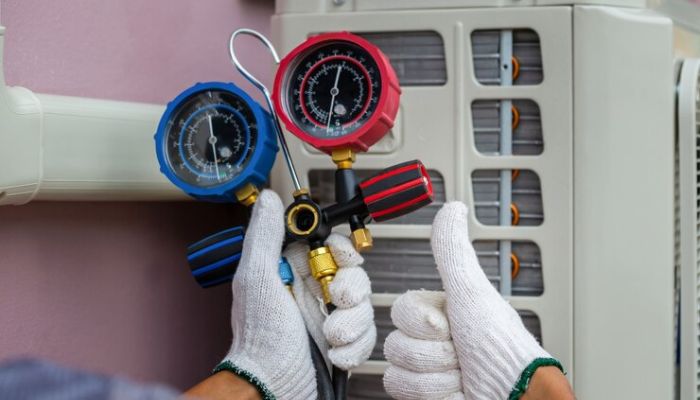
1. Refrigerant Pressure Diagnostics: Uses digital gauges to measure exact refrigerant levels and pinpoint micro-leaks using electronic leak detectors.
2. Electrical Component Inspection: Checks capacitors, tightens loose wire terminals, and tests contactors for surface pitting or electrical arcing.
3. Deep Coil Cleaning: Applies non-acidic chemical foam to strip deeply embedded grime from internal evaporator coils and outdoor condenser coils.
4. Blower Assembly Maintenance: Cleans fan blades and lubricates sealed motor bearings to eliminate mechanical friction.
5. Defrost Cycle Testing: Verifies defrost control boards, air sensors, and defrost relays to ensure the outdoor coil will not freeze solid in sub-zero winter temperatures.
6. Reversing Valve Calibration: Tests the physical switching valve that flips the unit between heating and cooling functions.
7. Static Duct Pressure Testing: Measures total external static pressure to locate hidden ductwork leaks or airflow bottlenecks.
8. Thermostat & Control Diagnostics: Recalibrates temperature sensors, verifies control wiring, and updates smart thermostat configurations for optimal cycling.
If your system is overdue for seasonal maintenance, you can schedule your heat pump maintenance online with an HVAC technician.
How Often Should You Schedule Heat Pump Maintenance?
-
Twice a Year (Spring & Fall): Recommended if your heat pump is your primary heating and cooling source. Spring maintenance prepares the system for summer cooling loads, while fall maintenance ensures reliable winter heating.
-
Once a Year: Acceptable for backup heat pump setups or dual-fuel systems paired with a gas furnace.
Routine care reduces emergency repair calls and helps lower overall system operational costs. Learn more about enrolling in an annual preventative HVAC maintenance plan to lock in regular service intervals.
Frequently Asked Questions
What happens if I skip routine heat pump maintenance?
Neglecting maintenance leads to dirty coils, restricted airflow, higher monthly electric bills, and accelerated component wear. Over time, unaddressed issues cause severe frost build-up, system short-cycling, or premature compressor burnout.
How much does heat pump tune-up service cost?
A single professional heat pump tune-up generally ranges from $75 to $200, depending on location and system size. Joining a local preventative maintenance club often reduces per-visit costs and includes priority scheduling.
Can I spray my heat pump with a hose to clean it?
Yes. You can use a standard garden hose with moderate water pressure to rinse light dirt, grass, and mud off the outdoor coil fins. Never use a high-pressure washer, as forceful spray will bend delicate aluminum fins and damage internal components.