 Apply for Financing
 855-410-TECH(8324)
 APPLY FOR FINANCING
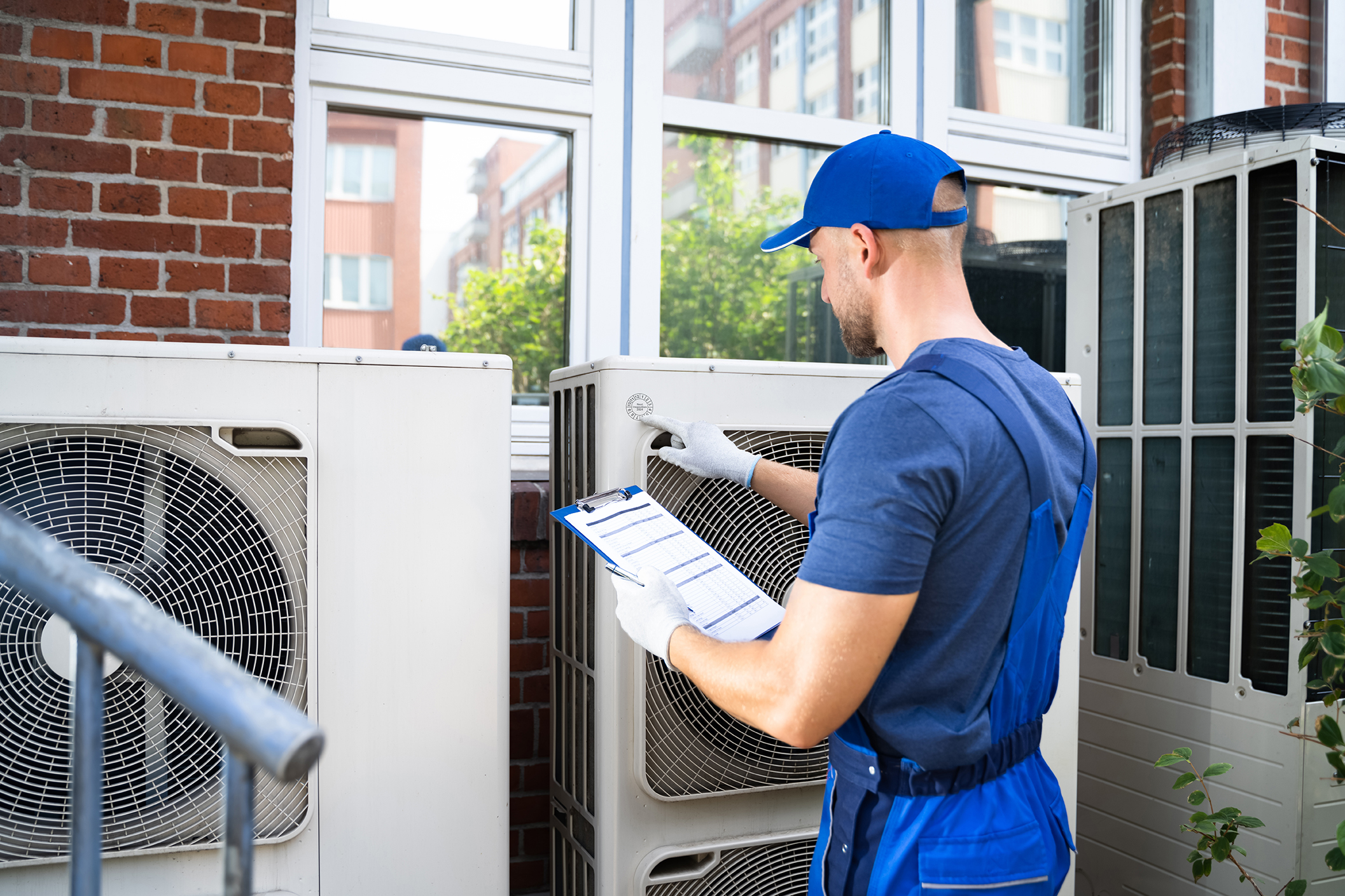
Professional HVAC inspections help homeowners prevent expensive repairs, improve indoor comfort, lower energy bills, and extend the lifespan of heating and cooling systems. Regular inspections also identify hidden safety risks before they become serious problems.
A properly inspected HVAC system runs more efficiently, keeps indoor temperatures stable, and helps homeowners avoid unexpected breakdowns during extreme weather conditions. That is why annual HVAC inspections are considered essential home maintenance.
What Is a Professional HVAC Inspection?
A professional HVAC inspection is a complete evaluation of a home’s heating and cooling system performed by trained technicians. The process checks system performance, airflow, electrical components, filters, thermostats, refrigerant levels, and overall operational safety.
Unlike a quick DIY filter replacement, professional inspections go deeper into system health. Technicians use specialized tools and industry experience to detect hidden wear, airflow restrictions, loose electrical connections, or failing components that homeowners may not notice. These inspections are especially important before peak summer and winter seasons when HVAC systems work hardest.
Why Regular HVAC Inspections Matter for Homeowners?
Regular hvac inspections help homeowners reduce long-term repair costs while improving system efficiency and indoor comfort. Small issues caught early are usually less expensive to fix than major system failures caused by neglect.
Many homeowners only call for service when their system stops working. However, preventative inspections help avoid emergency repairs and sudden breakdowns. Routine heating and air conditioning inspections also support better airflow, cleaner indoor air, and more reliable temperature control throughout the home.
In many cases, working with professional hvac inspectors allows homeowners to identify energy waste and improve overall heating and cooling performance before utility bills increase significantly.
7 Reasons Why Homeowners Need Professional HVAC Inspections
1. HVAC Inspections Help Lower Energy Bills
An inefficient HVAC system often consumes more energy while producing weaker heating and cooling results. Professional inspections help identify dirty coils, clogged filters, leaking ductwork, or malfunctioning components that force systems to work harder.
When heating and cooling systems operate efficiently, homeowners often notice lower monthly utility bills. Even small adjustments such as thermostat calibration, airflow balancing, or refrigerant corrections can improve energy performance. Efficient systems also reduce unnecessary strain on equipment, helping homeowners save money over time.
2. Early Detection Prevents Expensive Repairs
One of the biggest benefits of professional HVAC inspections is early problem detection. Minor issues such as worn belts, loose wiring, refrigerant leaks, or blocked drainage lines can quickly turn into costly repairs if ignored.
Professional technicians inspect components before complete failure occurs. This preventative approach helps homeowners avoid emergency repair costs during peak weather seasons. Identifying problems early also reduces the risk of sudden system shutdowns that may leave homes uncomfortable during extreme temperatures.
3. Professional Inspections Improve Indoor Air Quality
HVAC systems directly affect indoor air quality because they circulate air throughout the home every day. Dirty filters, mold growth, clogged ducts, or contaminated coils can negatively impact air cleanliness and respiratory health.
Professional heating and air conditioning inspections help remove pollutants that build up inside HVAC systems. Technicians inspect ventilation systems, clean components, and ensure proper airflow circulation. This process helps reduce dust, allergens, pet dander, and airborne contaminants that may affect family health and comfort.
Homes with poor indoor air quality often experience unpleasant odors, uneven airflow, or increased allergy symptoms. Routine HVAC inspections help maintain a cleaner and healthier indoor environment.
4. HVAC Inspections Extend System Lifespan
Heating and cooling systems are major home investments that homeowners want to protect for as long as possible. Regular maintenance and inspections help reduce wear and tear on important HVAC components.
Systems that operate under excessive strain often experience premature failures. Dirty coils, restricted airflow, or neglected maintenance force equipment to work harder than necessary. Professional inspections help keep components clean, balanced, and functioning properly, which can significantly extend the lifespan of the entire HVAC system.
A well-maintained HVAC unit may last several years longer than a neglected system, helping homeowners delay expensive replacement costs.
5. Safety Is a Major Reason for HVAC Inspections
Professional HVAC inspections help identify safety concerns that homeowners may not recognize on their own. Faulty heating systems, gas leaks, cracked heat exchangers, or electrical issues can create serious hazards inside the home.
Gas-powered heating systems require careful inspection to ensure safe operation. Carbon monoxide leaks caused by damaged furnace components can pose serious health risks if left undetected. Electrical failures may also increase fire risks when systems are not properly maintained.
Certified HVAC professionals understand how to identify and address these issues safely. Routine inspections provide peace of mind while helping homeowners protect their families and property.
6. Seasonal HVAC Inspections Improve Comfort
Seasonal HVAC inspections prepare heating and cooling systems for changing weather conditions. Systems are more likely to fail during periods of heavy usage, especially during extremely hot summers or freezing winters.
Spring inspections help air conditioning systems operate efficiently before high temperatures arrive. Fall inspections prepare heating systems for colder months. These seasonal checkups improve system reliability and help maintain consistent indoor comfort throughout the year.
Homeowners who schedule regular seasonal inspections often experience fewer temperature fluctuations, quieter operation, and more dependable heating and cooling performance.
7. HVAC Inspections Support Home Value
A properly maintained HVAC system can positively influence overall home value and buyer confidence. Potential buyers often view maintenance records as proof that the property has been responsibly cared for over time.
Older HVAC systems without inspection history may raise concerns during home sales. Buyers may worry about hidden repair costs or replacement needs. Regular HVAC inspections demonstrate responsible maintenance and can help support smoother real estate transactions.
For homeowners planning future resale, maintaining documented heating and cooling inspections can become an important long-term investment strategy.
How Often Should Homeowners Schedule HVAC Inspections?
Most HVAC professionals recommend scheduling inspections at least once or twice per year. Heating systems are typically inspected before winter, while cooling systems should be checked before summer begins.
Homes with older HVAC systems, pets, allergy concerns, or heavy system usage may benefit from more frequent inspections. Regular maintenance schedules help ensure optimal performance year-round while reducing unexpected repair risks.
Homeowners should also schedule inspections whenever they notice unusual noises, weak airflow, inconsistent temperatures, rising energy bills, or unusual odors coming from HVAC equipment.
What Homeowners Can Expect During an HVAC Inspection?
A professional HVAC inspection usually includes a detailed system evaluation designed to identify performance issues and safety concerns. Technicians may inspect filters, electrical connections, refrigerant levels, thermostats, ductwork, motors, coils, and drainage systems.
Inspectors also test airflow efficiency, system cycling, and heating and cooling output. In some cases, technicians recommend cleaning, minor repairs, or preventative maintenance to improve performance.
After the inspection, homeowners typically receive recommendations for repairs, maintenance, or future monitoring. This proactive approach helps homeowners make informed decisions about system care and long-term HVAC investments.
Final Thoughts
Professional HVAC inspections are essential for maintaining efficient, safe, and reliable heating and cooling systems. Regular inspections help homeowners lower energy costs, improve indoor air quality, prevent major repairs, and extend HVAC system lifespan.
Whether preparing for seasonal weather changes or protecting a long-term home investment, routine heating and air conditioning inspections provide valuable peace of mind. Homeowners who prioritize preventative HVAC maintenance often experience better comfort, improved efficiency, and fewer unexpected system failures throughout the year.