 Apply for Financing
 855-410-TECH(8324)
 APPLY FOR FINANCING
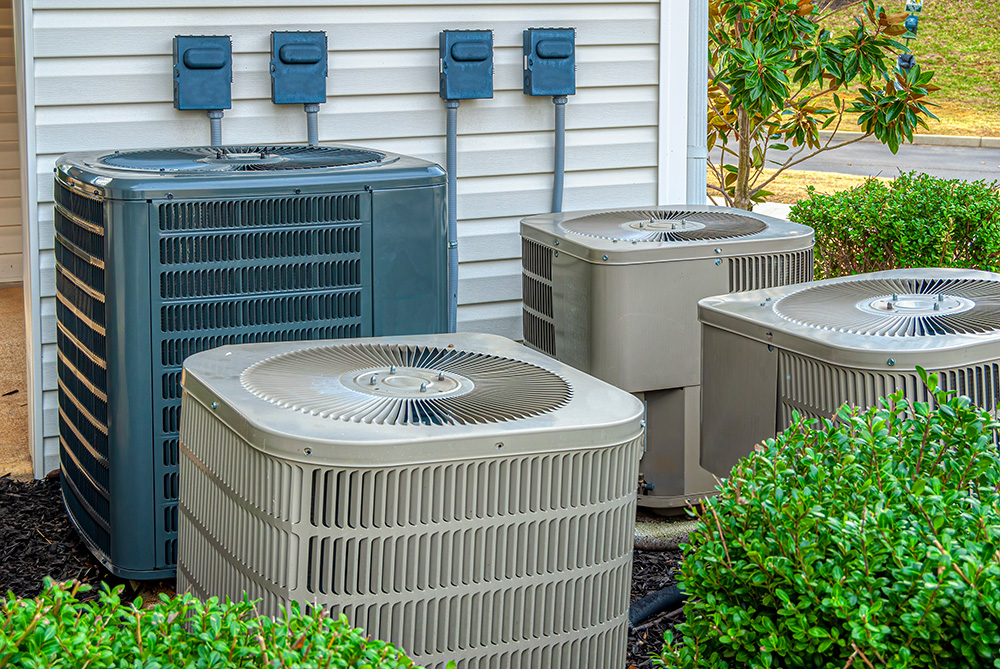
Your HVAC system works hardest during winter and summer, which makes fall the ideal season for preventive maintenance. Scheduling HVAC maintenance in fall helps homeowners improve energy efficiency, avoid costly repairs, extend equipment lifespan, and ensure reliable indoor comfort before cold weather arrives.
Fall HVAC maintenance also gives technicians enough time to identify hidden issues in heating and air conditioning systems before peak winter demand causes emergency breakdowns or higher service costs.
Why Should Homeowners Schedule HVAC Maintenance in Fall?
Fall offers mild temperatures and lower HVAC workload, making it the perfect time to inspect, clean, and prepare heating systems before winter begins. Early maintenance reduces unexpected failures and improves overall heating efficiency.
Unlike emergency winter repairs, fall appointments are usually easier to schedule because HVAC companies experience lower demand during the shoulder season. Homeowners can avoid long wait times and prepare their homes before temperatures suddenly drop.
Routine seasonal inspections also help identify worn-out components, clogged filters, thermostat issues, airflow restrictions, and electrical concerns before they become expensive repairs. Professional technicians can ensure every part of the system is functioning safely and efficiently.
How Does Fall HVAC Maintenance Improve Energy Efficiency?
A well-maintained HVAC system consumes less energy because all components operate smoothly and without strain. Clean filters, calibrated thermostats, lubricated parts, and proper airflow allow the system to heat the home more efficiently.
When dust, debris, or neglected parts force the system to work harder, energy bills often rise during winter months. Fall maintenance improves system performance while reducing unnecessary energy consumption and monthly utility costs.
Homeowners looking to lower heating expenses should also review energy-saving strategies like smart HVAC energy management techniques that improve long-term heating and cooling efficiency across residential and commercial properties.
Can Fall HVAC Maintenance Prevent Expensive Repairs?
Preventive maintenance helps detect small HVAC problems before they turn into costly breakdowns during winter. Technicians can identify damaged belts, failing motors, refrigerant issues, dirty coils, or ignition problems early.
Ignoring seasonal maintenance often results in emergency service calls during freezing temperatures when heating systems are under maximum stress. Repair costs are typically higher during peak winter demand because HVAC contractors become busier and parts may take longer to replace.
For homeowners wanting reliable seasonal performance, it is smart to hire top hvac contractor services before winter arrives. Professional inspections improve system reliability while helping homeowners avoid emergency repair situations later in the season.
Why Is Fall the Best Time to Prepare Heating Systems for Winter?
Heating systems remain inactive for months during warmer seasons, allowing dust accumulation and unnoticed wear inside furnaces or heat pumps. Fall maintenance ensures systems restart safely and efficiently before continuous winter operation begins.
Professional HVAC services typically include burner inspections, heat exchanger checks, airflow testing, thermostat calibration, electrical inspections, and filter replacement. These steps improve indoor comfort while reducing the risk of winter heating interruptions.
Preparing early also allows enough time to repair or replace aging equipment before severe cold weather arrives. Waiting until winter can limit scheduling availability and increase repair urgency.
How Does HVAC Maintenance Improve Indoor Air Quality?
Fall HVAC maintenance supports healthier indoor air quality by removing dust, allergens, mold buildup, and contaminants trapped within the system. Clean filters and duct inspections help improve airflow throughout the home.
As families spend more time indoors during colder months, indoor air quality becomes increasingly important. Dirty HVAC systems can circulate pollutants that contribute to allergies, respiratory discomfort, and unpleasant odors.
Routine heating and air conditioning maintenance also helps maintain proper humidity levels inside the home. Balanced indoor humidity reduces dryness, improves comfort, and prevents excess moisture problems during winter.
What HVAC Components Should Be Checked During Fall Maintenance?
Comprehensive HVAC maintenance involves inspecting multiple system components to ensure safe and efficient winter operation. Technicians evaluate both mechanical performance and overall system condition during seasonal tune-ups.
Key maintenance tasks often include:
- Replacing or cleaning air filters
- Inspecting thermostats and controls
- Cleaning blower components
- Checking heat exchangers for cracks
- Testing electrical connections
- Lubricating moving parts
- Inspecting ductwork and airflow
- Examining refrigerant levels
- Checking furnace ignition systems
- Performing carbon monoxide safety tests
These preventive services improve HVAC system reliability while reducing wear and tear on critical components.
Does Fall HVAC Maintenance Extend System Lifespan?
Regular maintenance reduces unnecessary strain on HVAC equipment, helping systems operate efficiently for longer periods. Preventive care minimizes component damage caused by overheating, restricted airflow, or neglected mechanical issues.
Most heating and cooling systems represent a major investment for homeowners. Replacing furnaces, heat pumps, or complete heating and air conditioning systems can be expensive, especially when failures occur unexpectedly.
Seasonal maintenance protects that investment by improving long-term performance and reducing the frequency of major repairs. Well-maintained HVAC systems often last several years longer than neglected units.
Why Is Fall Better Than Winter for HVAC Service Appointments?
Scheduling HVAC maintenance before winter provides greater flexibility and faster service availability. HVAC companies typically experience heavy emergency repair demand once freezing temperatures arrive.
During winter, technicians prioritize urgent no-heat emergencies, which can delay routine inspections or non-critical repairs. Fall scheduling helps homeowners secure convenient appointment times without seasonal rush pricing.
Technicians also have more time during fall visits to perform detailed inspections and discuss system improvements. Homeowners can address repair recommendations proactively rather than under emergency conditions.
Can Fall Maintenance Help Reduce Emergency HVAC Breakdowns?
Yes, preventive HVAC maintenance significantly lowers the risk of sudden winter breakdowns. Most emergency heating failures result from neglected maintenance, dirty components, or worn-out parts that were never inspected.
Seasonal tune-ups improve system reliability by ensuring every component works properly before continuous winter use begins. Early detection of minor issues prevents unexpected failures during freezing weather conditions.
Preventive maintenance is especially valuable for older heating systems that may already experience reduced efficiency or increased mechanical wear. Addressing small problems early can prevent complete system shutdowns.
How Often Should HVAC Systems Be Professionally Maintained?
Most HVAC professionals recommend scheduling maintenance twice per year — once in spring for cooling systems and once in fall for heating systems. Seasonal inspections ensure optimal performance throughout the year.
Routine HVAC services improve energy efficiency, indoor comfort, safety, and equipment lifespan while reducing unexpected repair expenses. Consistent maintenance also helps homeowners maintain manufacturer warranty requirements for certain HVAC equipment.
Homeowners should not wait until their systems show obvious signs of trouble. Preventive service remains the most cost-effective approach for maintaining reliable heating and cooling performance year-round.
Final Thoughts
Fall is the best time for HVAC maintenance because it allows homeowners to prepare their heating systems before winter stress begins. Early inspections improve efficiency, reduce repair risks, enhance indoor comfort, and support healthier indoor air quality.
Investing in professional HVAC services during fall helps homeowners avoid emergency repairs, lower utility bills, and extend equipment lifespan. With winter approaching quickly, proactive maintenance remains one of the smartest ways to protect your heating and air conditioning system for the colder months ahead.