 Apply for Financing

 855-410-TECH(8324)
 APPLY FOR FINANCING
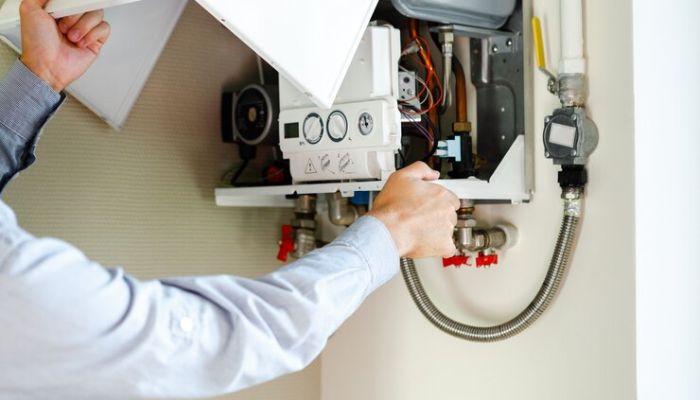
Regular water heater maintenance involves flushing the tank, checking the anode rod, inspecting valves, and testing performance. Following these simple steps can extend your system’s lifespan, improve efficiency, and prevent costly repairs.
How Often Should You Service a Water Heater
Most water heaters should be serviced at least once a year to maintain peak performance, reduce wear and tear, and detect small issues before they become major problems.
Annual water heater servicing is recommended for both tank and tankless models. However, if you live in a hard water area, you may need maintenance every 6 months. Routine checks help identify early signs of corrosion, leaks, or heating inefficiency, ensuring your system runs smoothly year-round.
What Are the Basic Steps in Water Heater Maintenance
The essential maintenance steps include flushing the tank, inspecting components, testing safety valves, and checking for leaks to keep your system running efficiently and safely.
Basic maintenance includes:
-
Draining and flushing the water heater tank
-
Inspecting the anode rod
-
Testing the temperature and pressure (T&P) valve
-
Checking connections and insulation
If you’re unsure about performing these steps yourself, professional water heater services can ensure everything is handled safely and correctly, especially for complex systems.
How Do You Flush a Water Heater Tank
Flushing removes sediment buildup from the tank, improving heating efficiency, preventing overheating, and extending the life of your water heater.
To flush your heater:
- Turn off power or gas supply
- Shut off the water inlet
- Connect a hose to the drain valve
- Drain the tank completely
- Refill and restart
Sediment accumulation is one of the biggest causes of inefficiency in a hot water heater, and flushing once a year helps maintain optimal performance and reduce energy consumption.
What Is an Anode Rod and Why Should You Check It
The anode rod protects your water heater tank from rust by attracting corrosive elements, making it a critical component to inspect regularly.
This metal rod sacrifices itself to prevent corrosion inside the water heater tank. Over time, it wears out and needs replacement—usually every 3–5 years. Ignoring it can lead to tank rusting, leaks, and eventual system failure. Checking it during preventive maintenance ensures your heater remains durable and reliable.
How Do You Test the Temperature and Pressure Valve
Testing the T&P valve ensures your water heater operates safely by releasing excess pressure and preventing potential tank explosions.
Lift the valve lever slightly and allow it to snap back. You should hear a burst of water into the discharge pipe. If nothing happens or it leaks continuously, the valve may need replacement. This simple step is crucial in water heater servicing to maintain safety and compliance with standards.
What Temperature Should a Water Heater Be Set At
The ideal water heater temperature is around 120°F (49°C), which balances safety, energy efficiency, and comfort for everyday use.
Setting the temperature too high increases the risk of burns and energy costs, while too low may not provide adequate hot water. Maintaining the correct setting is a simple yet effective preventive maintenance step that improves efficiency and ensures consistent performance.
How Can You Identify Common Water Heater Problems Early
Early signs like inconsistent hot water, unusual noises, rusty water, or leaks indicate your water heater needs immediate attention to prevent major failures.
Common warning signs include:
-
Popping or rumbling sounds (sediment buildup)
-
Water discoloration (rust or corrosion)
-
Reduced hot water supply
-
Leaks around the unit
If you’re facing heating issues, you can also check this detailed guide on why your heater is not heating water enough to diagnose and fix the problem effectively.
How Does Preventive Maintenance Save Money
Preventive maintenance reduces energy consumption, minimizes repair costs, and extends the lifespan of your water heater, making it a cost-effective long-term investment.
A neglected water heater tank works harder due to sediment buildup, increasing utility bills. Regular servicing keeps the system efficient and avoids emergency breakdowns. Investing in routine maintenance today can save hundreds—or even thousands—on replacements and repairs later.
What Are the Safety Tips for Water Heater Maintenance
Always turn off power or gas, allow the system to cool, and use proper tools to ensure safe and effective maintenance without risking injury or damage.
Important safety tips include:
-
Disconnect power before servicing
-
Use gloves and protective gear
-
Avoid working on a hot tank
-
Check for gas leaks in gas heaters
Safety should always be a priority when performing water heater servicing, especially for older units or high-capacity systems.
Final Thoughts
Water heater maintenance doesn’t have to be complicated. With simple steps like flushing the tank, checking the anode rod, and monitoring performance, you can keep your system efficient and reliable.
Whether you choose DIY or professional help, consistent preventive maintenance ensures your hot water heater delivers reliable performance year-round. Make maintenance a routine, and your water heater will reward you with efficiency, durability, and peace of mind well into 2026 and beyond.