 Apply for Financing

 855-410-TECH(8324)
 APPLY FOR FINANCING
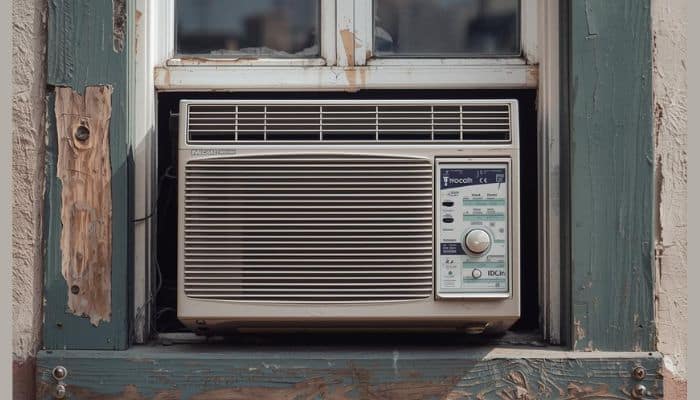
Installing insulated side panels on a window air conditioner can be tricky—especially when you want a perfect airtight fit without gaps. This guide will solve the biggest pain points homeowners face during installation, including heat leakage, poor energy efficiency, and outside air infiltration. The “install insulated side panels on a window AC without gaps” is addressed right from the start so readers get an immediate answer to their core query.
Step-by-Step Guide: How to Install Insulated Side Panels Without Gaps
Follow these installation steps for a clean, airtight seal around your AC:
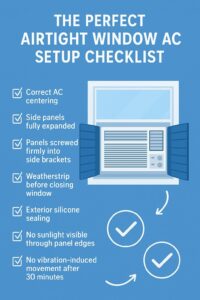
1. Place the AC in the Window and Center It
Make sure the AC is positioned exactly in the center of the window opening. If it’s off-center, the panels won’t align properly and gaps will occur.
2. Expand the Accordion Side Panels Fully
Pull each side panel outward until it reaches the window frame. Avoid stretching at an angle—stretch only horizontally, keeping the frame square.
3. Screw the Panels to the AC Brackets
This step ensures the panels don’t contract with vibration. Use the screws provided with your AC and tighten securely but avoid overtightening.
4. Seal the Edges Before Closing the Window
Before lowering the top window sash, apply foam weatherstrip along both sides. This prevents air from passing through the small panel-window joints.
5. Add Exterior Sealant to Block Outdoor Air
Go outside and apply silicone sealant where the insulation panels meet the window frame. This is the missing step most homeowners skip—and it leads to nearly 40% of air loss around window AC units.
How Do You Know There Are Still Gaps? (Common Warning Signs)
After installation, check for:
-
Light peeking through the panel edges
-
Hot air entering the room during the daytime
-
Dust or bugs near the window area
-
Rattling or wind noise when the AC runs
-
Higher electricity bill than usual
If any of these signs appear, resealing or reinstalling the panels is recommended.
Extra Protection for Energy Efficiency
For older windows or humid regions, adding the following helps make the seal even stronger:
-
Reflective foam insulation tape
-
Insulating curtain or blackout shield
-
Magnetic AC side panel covers
These upgrades can reduce energy loss by up to 22% during peak summer months.
Expert Tips to Make Side Panels Last Longer
-
Avoid pulling or tugging the panels during cleaning
-
Do not leave the AC installed during winter—cold air weakens foam seals
-
Inspect silicone sealant annually for cracks
-
Use a support bracket to reduce vibration damage
FAQs
Do insulated side panels really improve cooling?
Yes. They prevent cold air from leaking and block hot outside air, which keeps the room cooler and reduces electricity consumption.
Can I install a window AC without side panels?
Technically yes, but it will result in air leakage, reduced cooling efficiency, and higher utility bills. Insulated side panels are strongly recommended.
What can I use if my AC side panels don’t fit the window?
Use foam insulation board, weather-seal tape, or aftermarket universal insulated AC side panels.
How do I fix gaps after installation?
Apply weatherstrip inside and silicone sealant outside, ensuring the panels do not move during operation.
Is DIY installation safe?
Yes—if the AC is secured and the window can handle the weight. If unsure, hiring an AC installation service is recommended.
Final Thoughts
Installing insulated side panels on a window AC without gaps is one of the easiest ways to boost cooling efficiency, lower energy bills, and improve indoor air comfort. Whether you’re doing it yourself or calling a professional, the key is making sure every joint around the panel is sealed—inside and outside.
With the steps and expert tips above, you’ll achieve a tight, energy-saving, long-lasting AC installation that performs at its best all summer long.