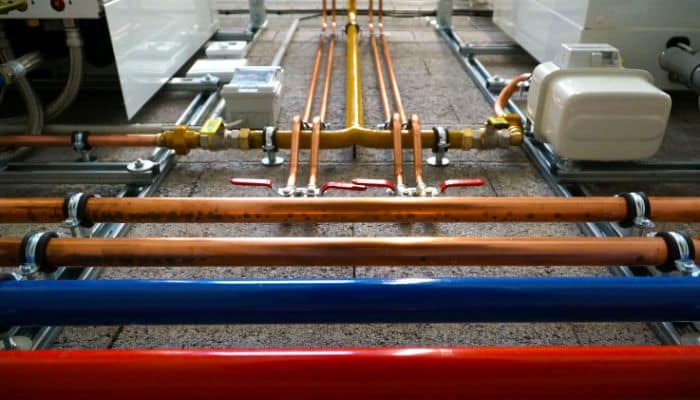
Yes, solar water heaters can be worth considering if your home has adequate sunlight, suitable roof space, and enough hot-water demand to justify the installation. A solar water heating system can reduce the energy required to heat household water, but it also has...
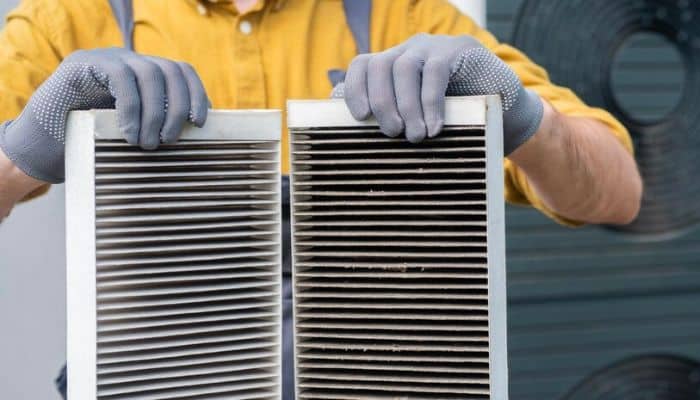
If you want to know how to clean air ducts yourself, start by cleaning your air vents, return grilles, and other accessible areas of your HVAC system. Turn off your heating and cooling system, remove and wash the vent covers, vacuum loose dust near the openings, and...
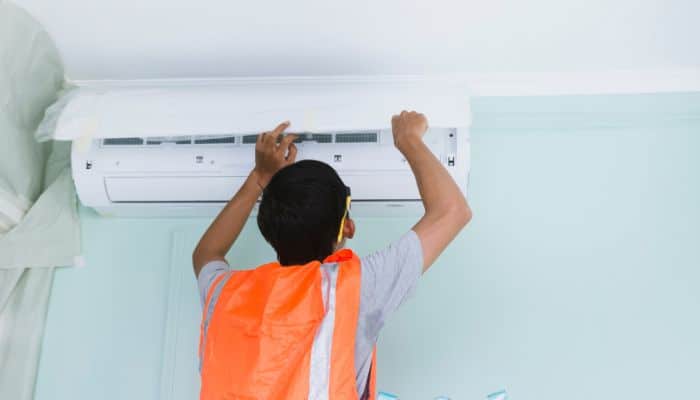
If your air conditioner suddenly stops working, a reset may restore normal operation when the problem is caused by a temporary electrical interruption, thermostat issue, or system protection shutdown. To reset a central AC, turn the thermostat off, switch off the AC...
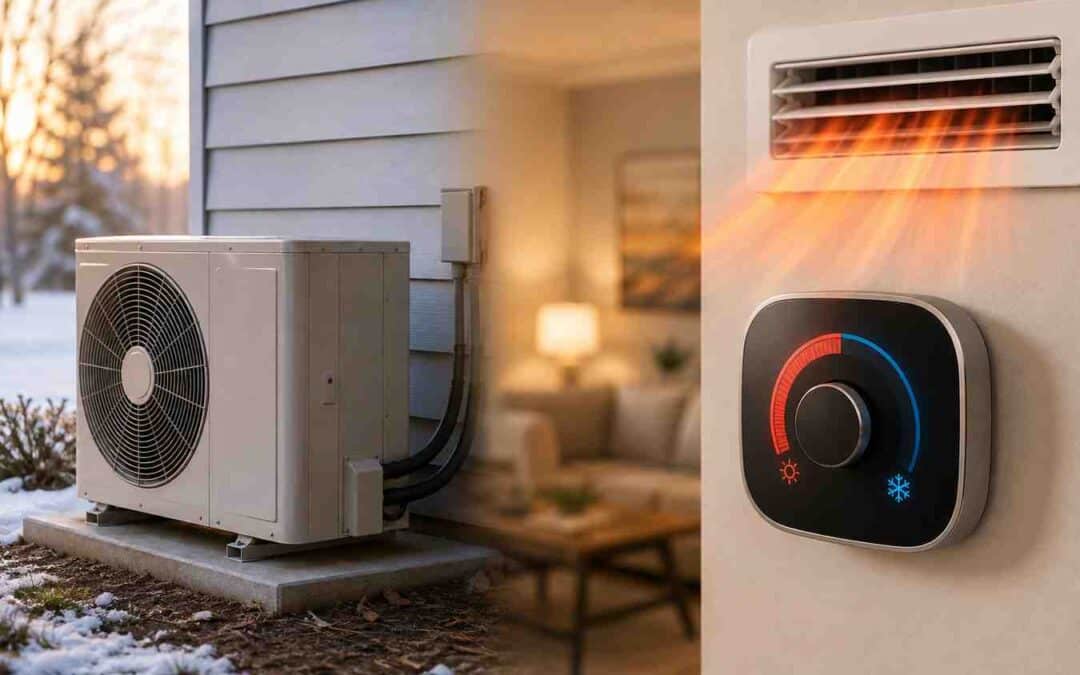
Auxiliary heat, often called AUX heat, is a supplemental heating source used by a heat pump when the heat pump cannot provide enough warmth on its own. It typically activates automatically during very cold outdoor temperatures or when the thermostat needs to raise the...
Choosing the right size air conditioner depends on your home’s square footage, insulation, ceiling height, local climate, sun exposure, and the number of occupants. A unit that is too small will struggle to cool your home efficiently, while an oversized system...
 Apply for Financing

 855-410-TECH(8324)
 APPLY FOR FINANCING
Recent Comments