 Apply for Financing

 855-410-TECH(8324)
 APPLY FOR FINANCING
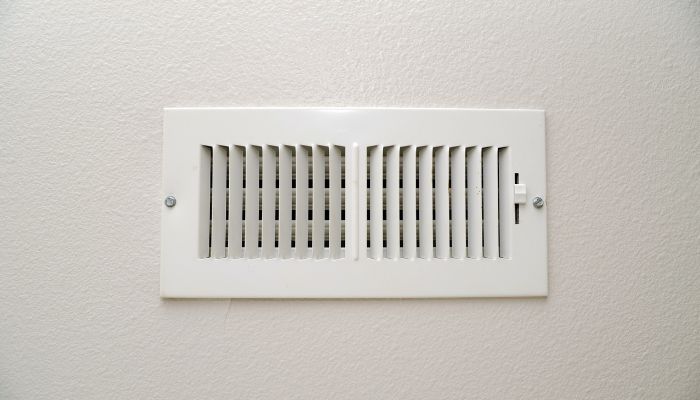
Closing vents may seem like a smart way to push cold air into fewer rooms, but most central HVAC systems are designed to cool the entire home with balanced airflow.
When vents are closed, pressure builds up in the ductwork, reducing overall efficiency and slowing down cooling in the long run.
Why People Think Closing Vents Works
Many homeowners assume that shutting vents in unused rooms will redirect air to occupied areas, cooling them faster.
This idea sounds logical, but HVAC systems don’t work like simple fans—air distribution depends on duct design, return vents, and system pressure balance.
What Actually Happens Inside Your HVAC System
Central air conditioners are engineered to move a specific amount of air through the system at all times.
Closing vents restricts that airflow, increasing static pressure, which can cause your AC to work harder, cool less effectively, and even lead to long-term damage.
Can Closing Vents Damage Your Air Conditioner
Yes, repeatedly closing vents can contribute to system stress and performance problems over time.
Higher pressure may lead to duct leaks, frozen evaporator coils, and more frequent air conditioner repair needs—especially during peak summer cooling demand.
Does Closing Vents Save Energy
Not usually. While it feels like you’re using less cooling, your system still runs the same cycle and may even run longer due to restricted airflow.
Instead of saving money, you may increase energy costs because the unit struggles to maintain the thermostat setting efficiently.
The Problem With Airflow Imbalance
Your HVAC system depends on consistent airflow through both supply and return vents.
Closing vents disrupts that balance, which can create hot spots, poor circulation, and rooms that feel uncomfortable even when the AC is running constantly.
What About Closing Vents in Unused Rooms
Closing vents in one or two rooms occasionally won’t instantly break your system, but making it a habit can reduce performance.
If a room is rarely used, a better solution is zoning, smart vents, or adjusting dampers professionally rather than sealing airflow completely.
Better Ways to Cool Your House Faster
If you want faster cooling, focus on proven methods that improve comfort without stressing your system.
Simple steps like changing filters, sealing leaks, using ceiling fans, and keeping blinds closed during the hottest hours can make a noticeable difference quickly.
Improve Cooling Efficiency Before a New Installation
If your AC system is struggling, preparation matters as much as the equipment itself.
Check out this helpful guide on how to prepare your home for AC installation to ensure smooth airflow, proper setup, and better long-term cooling results.
When Closing Vents Might Be Appropriate
There are limited cases where vent adjustments make sense, such as homes with professionally installed zoning systems.
In those setups, dampers are designed to control airflow safely. Without zoning, closing vents is rarely recommended by HVAC experts.
Signs Your Home Has a Bigger Cooling Issue
If certain rooms stay warm no matter what, the problem may not be vents at all.
Leaky ducts, undersized equipment, poor insulation, or dirty coils are common causes that require professional evaluation instead of DIY vent closing.
Trustworthy Help From HVAC Professionals
A licensed HVAC technician can test airflow, measure static pressure, and identify why your home isn’t cooling evenly.
For trusted local service information, you can also explore this professional HVAC business listing: Maryland Heating & Air Services Directory.
Expert Conclusion
From real-world HVAC experience, closing vents is not the shortcut many homeowners think it is.
Most systems perform best with open, balanced airflow. If cooling feels slow, the smarter move is maintenance, airflow improvements, or professional repair—not blocking vents.
Quick Takeaway
Closing vents usually won’t cool your house faster—it can reduce efficiency, increase energy bills, and strain your system. For better comfort, focus on airflow, insulation, and expert HVAC support when needed.