 Apply for Financing


 855-410-TECH(8324)
 APPLY FOR FINANCING

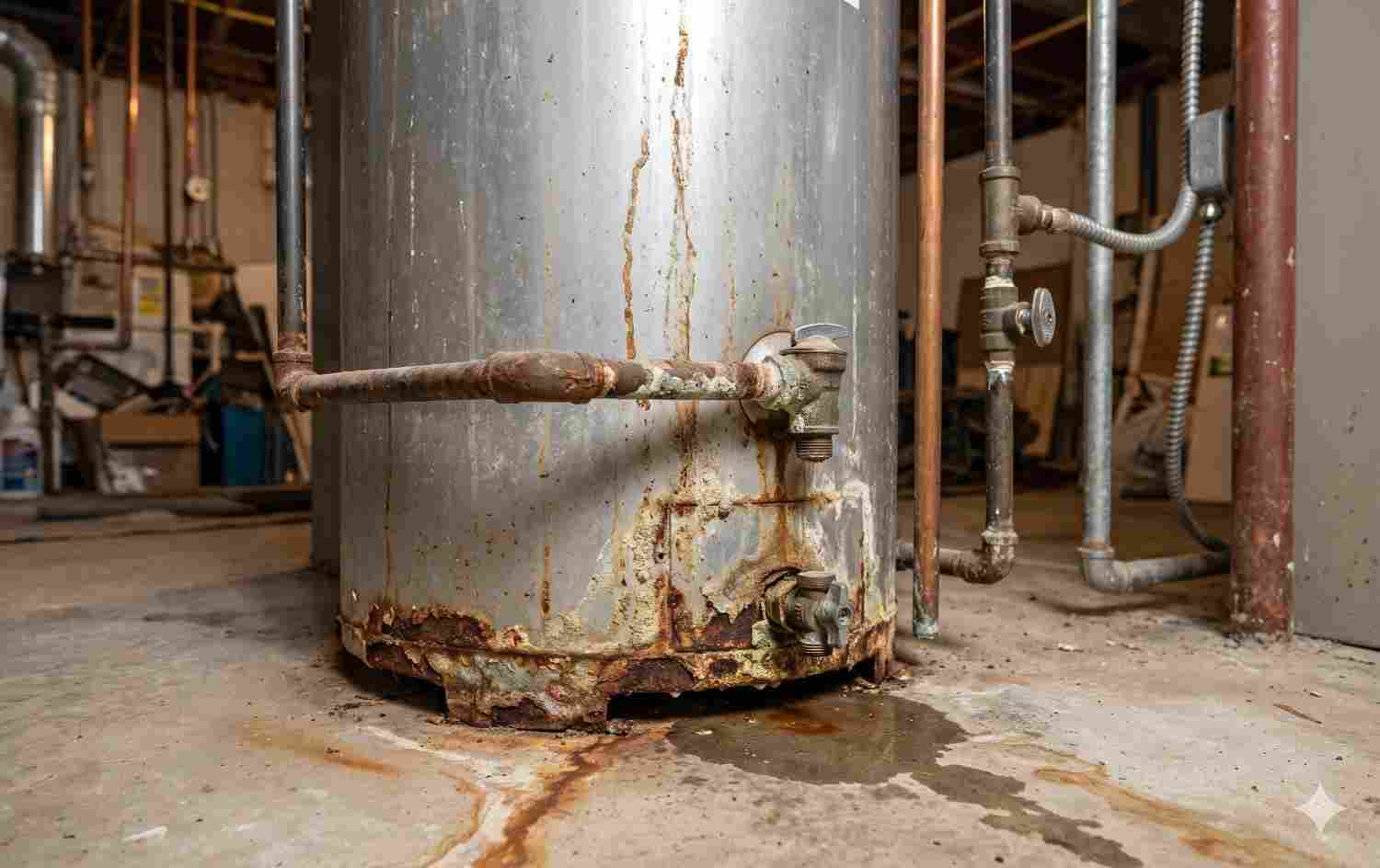
The most common signs you need a new water heater include rusty or discolored water, unusual rumbling noises, inconsistent water temperatures, frequent repairs, visible tank leaks, and insufficient hot water. Most traditional tank water heaters last approximately 8–12 years, while tankless models can last longer with proper maintenance. If your unit is aging and showing multiple warning signs, replacing it may be more cost-effective than continuing to repair it.
A reliable water heater is essential for everyday activities such as showering, washing dishes, doing laundry, and cleaning. However, like other household appliances, water heaters gradually lose efficiency and develop problems as they age. Recognizing these warning signs early can help prevent unexpected breakdowns and expensive water damage.
7 Warning Signs Your Water Heater Needs Replacement
1. Rusty or Discolored Hot Water
If hot water coming from your faucets looks brown, reddish, or rusty, your water heater may have internal corrosion. Over time, corrosion can damage the tank lining and cause rust to enter the water supply.
However, discolored water can also come from corroded plumbing pipes. Compare hot and cold water to help identify the source. If only hot water appears rusty, have the water heater inspected.
2. Strange Rumbling or Popping Noises
A water heater should operate relatively quietly. Rumbling, popping, banging, or cracking sounds can indicate sediment buildup inside the tank.
Mineral deposits settle at the bottom and harden over time. As the heating element or burner heats the water, trapped water beneath the sediment can create popping sounds.
Although flushing the tank may resolve some sediment-related problems, persistent noises in an older unit could indicate significant wear and reduced efficiency.
3. Inconsistent Water Temperature
Does your shower suddenly turn cold, or does the water temperature fluctuate without warning? These problems may indicate a failing heating element, malfunctioning thermostat, sediment accumulation, or another internal issue.
If your water heater struggles to maintain a consistent temperature despite adjustments, arrange a professional inspection. Repeated temperature problems in an older unit may indicate that replacement is becoming necessary.
4. Running Out of Hot Water Quickly
If your household regularly runs out of hot water, your water heater may no longer meet your daily requirements.
Possible reasons include:
- Sediment reducing the available tank capacity.
- A failing heating element or burner.
- An undersized water heater.
- Increased household hot water demand.
- Reduced heating efficiency as the unit ages.
If repairs do not restore adequate hot water, upgrading to a properly sized system may provide a more reliable solution.
5. Water Leaking Around the Tank
Visible water pooling around the base of your water heater should never be ignored. Leaks may result from loose connections, faulty valves, damaged fittings, or cracks caused by tank corrosion.
A leaking tank often indicates serious deterioration, and replacing the entire unit may be necessary.
If you notice water around the heater, arrange an inspection promptly. For significant leaks, shut off the water supply if it is safe to do so. Follow the manufacturer’s instructions for safely shutting down the equipment.
6. Higher Energy Bills
An aging water heater may consume more energy to deliver the same amount of hot water. Sediment buildup, deteriorating components, and reduced heating efficiency can all contribute to increased operating costs.
If your energy bills continue rising without a clear explanation, have the system evaluated. A newer, energy-efficient water heater may reduce energy consumption over time, depending on the equipment, household usage, and installation.
7. Frequent Repairs and Increasing Maintenance Costs
Repeated service calls can be a sign that your water heater is approaching the end of its useful life. Replacing individual components may temporarily restore performance, but frequent failures can make continued repairs less economical.
If repair costs keep adding up, compare the cost of another repair with the long-term value of a new system. Homeowners considering water heater replacement should have an HVAC professional assess the existing unit and recommend an appropriate replacement based on household needs.
How Long Does a Water Heater Usually Last?
Water heater lifespan depends on the equipment type, water quality, maintenance history, usage, and installation conditions.
Typical lifespan estimates include:
- Traditional tank water heaters: Approximately 8–12 years.
- Tankless water heaters: Often 15–20 years or longer with proper maintenance.
- Heat pump water heaters: Often around 10–15 years, depending on maintenance and operating conditions.
These are general estimates rather than guaranteed replacement dates. An older water heater that works reliably may not need immediate replacement, while a younger unit with significant corrosion or tank damage may require attention sooner.
Should You Repair or Replace Your Water Heater?
Not every water heater problem requires a complete replacement. The right decision depends on the age of the unit, the severity of the problem, repair costs, and overall performance.
Consider repairing your water heater when:
- The unit is relatively new.
- The problem involves a replaceable component.
- There are no signs of tank corrosion or structural damage.
- Repairs are reasonably priced.
Consider replacing your water heater when:
- The tank is leaking or severely corroded.
- The unit frequently breaks down.
- Heating performance continues deteriorating.
- Repair expenses are becoming excessive.
- The equipment has reached or exceeded its expected lifespan.
For additional troubleshooting information, read our guide on why a water heater stops working. Understanding the possible causes can help you determine whether a problem requires a simple repair or a more comprehensive solution.
How Can You Extend the Life of Your Water Heater?
Regular maintenance helps maintain heating performance, improve efficiency, and identify potential problems before they become serious.
Here are some useful maintenance practices:
- Schedule periodic professional water heater inspections.
- Have tank sediment checked and flushed when appropriate.
- Inspect visible plumbing connections for leaks.
- Check the temperature and pressure relief valve according to manufacturer guidance.
- Maintain the manufacturer’s recommended temperature settings.
- Address unusual noises, temperature changes, and other warning signs promptly.
For more practical advice, explore our guide on essential water heater maintenance requirements.
Frequently Asked Questions
What is the biggest sign that a water heater needs replacing?
A leaking or corroded storage tank is one of the strongest signs that replacement is necessary. Persistent leaks from the tank body generally cannot be fixed with routine component repairs.
Should I replace a 10-year-old water heater?
Not necessarily. A 10-year-old unit should be inspected for corrosion, leaks, reduced performance, and repair history. If it shows multiple warning signs, planning a replacement is sensible.
Is it better to repair or replace an old water heater?
Replacement is often the better long-term option when the tank is leaking, the system frequently breaks down, or repair costs approach the cost of a new unit.
What happens if I ignore a failing water heater?
Ignoring warning signs can lead to unexpected loss of hot water, higher energy bills, water leaks, and potential property damage. Certain equipment problems can also create serious safety hazards.
Final Thoughts
Recognizing the signs of a failing water heater can help you avoid unexpected breakdowns and costly household damage. Rusty water, unusual noises, inconsistent temperatures, frequent repairs, and visible leaks are all reasons to schedule a professional inspection.
If your current system is aging or struggling to provide reliable hot water, consider whether replacement offers better long-term value. Choosing the right equipment and arranging professional installation can help keep your home’s hot water supply dependable for years to come.