 Apply for Financing

 855-410-TECH(8324)
 APPLY FOR FINANCING
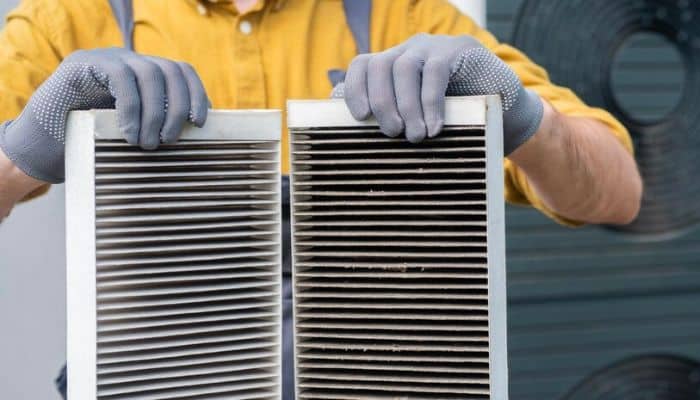
If you want to know how to clean air ducts yourself, start by cleaning your air vents, return grilles, and other accessible areas of your HVAC system. Turn off your heating and cooling system, remove and wash the vent covers, vacuum loose dust near the openings, and replace a dirty air filter when needed. However, cleaning accessible vents is not the same as professionally cleaning the entire duct system.
This guide explains how to clean air ducts safely, which tools you need, what you should avoid, and when professional HVAC service may be necessary.
Can You Clean Air Ducts Yourself?
Yes, homeowners can clean accessible air vents, return grilles, and nearby dust using basic household tools. You can also maintain your HVAC system by replacing its air filter according to the manufacturer’s recommendations and keeping supply and return openings free from obstructions.
However, household vacuum cleaners generally cannot reach or thoroughly clean the entire duct network, internal HVAC components, or inaccessible sections of ductwork. Deep cleaning may require specialized equipment and knowledge of different duct materials.
For most households, the practical approach is to clean accessible surfaces regularly and arrange a professional inspection when you notice substantial contamination, persistent odors, suspected mold, or other problems.
What Tools Do You Need to Clean Air Ducts?
Before starting, gather the following supplies:
- Screwdriver suitable for your vent covers
- Vacuum cleaner with a hose and brush attachment
- Microfiber cloths
- Warm water and mild dish soap
- Soft-bristled brush
- Gloves and a dust mask if needed
- Replacement HVAC air filter of the correct size and specification
- A towel or drop cloth to protect nearby flooring
Avoid harsh chemicals, excessive moisture, and aggressive brushes. Some duct systems contain flexible materials or internal insulation that can be damaged by improper cleaning.
8 Steps To Clean Heating and Air Conditioning Ducts Yourself
Follow these steps to clean accessible areas of your heating and cooling duct system.
Step 1: Turn Off Your HVAC System
Switch off your heating or air conditioning system at the thermostat before removing vent covers or cleaning near duct openings. If your equipment instructions require additional precautions, follow the manufacturer’s directions.
Turning the system off helps prevent loose dust from being drawn into the equipment or circulated while you work.
Step 2: Remove the Air Vent Covers and Return Grilles
Carefully remove accessible supply vent covers and return grilles using the appropriate screwdriver, if necessary. Keep the screws in a safe place.
Inspect the covers for visible dust, pet hair, and other debris. Avoid pulling hard on covers that are stuck, painted in place, or connected to delicate components.
Step 3: Wash the Vent Covers
Wash removable metal or plastic vent covers with warm water and mild dish soap, provided the material and manufacturer’s instructions allow it.
Use a soft brush to remove dust from the slats and corners. Rinse carefully and let the covers dry completely before reinstalling them.
Do not soak components containing electrical parts or materials that can be damaged by water.
Step 4: Vacuum Accessible Dust Around the Duct Openings
Use your vacuum’s hose and a suitable brush attachment to collect loose dust around the vent opening and any easily accessible, hard-surface areas.
Work gently and avoid pushing the vacuum hose deep into the ductwork. Do not puncture flexible ducts, disturb internal insulation, disconnect duct joints, or attempt to reach inaccessible areas.
A household vacuum can help with surface dust, but it should not be considered a substitute for whole-system duct cleaning.
Step 5: Wipe Accessible Surfaces
Use a dry microfiber cloth to collect remaining dust from accessible vent edges and nearby surfaces. If the surface requires damp cleaning, use only a lightly dampened cloth where appropriate, keeping moisture away from insulation, wiring, and internal HVAC components.
Never pour cleaning solutions or water into duct openings.
Step 6: Check and Replace the HVAC Air Filter
A clean, properly fitted air filter helps capture airborne particles before they enter the HVAC equipment. Locate your filter according to the manufacturer’s instructions and inspect its condition.
Replace it if it is dirty or due for replacement. Use the correct dimensions and the filter type recommended for your system.
Do not assume that a higher-rated filter is always suitable. An incompatible filter can restrict airflow or affect equipment performance.
Step 7: Inspect the Accessible Areas for Warning Signs
Before reinstalling the vent covers, look for unusual conditions such as:
- Large accumulations of dust or debris
- Persistent musty odors
- Signs of moisture or water damage
- Suspected mold growth
- Evidence of insects or rodents
- Damaged, disconnected, or deteriorating duct material
Do not scrape suspected mold, disturb contaminated insulation, or try to remove a pest infestation from inside the ductwork yourself. Contact a qualified professional to assess the cause and recommend the appropriate solution.
Step 8: Reinstall the Covers and Restore Operation
Make sure the vent covers are completely dry. Reinstall them securely and remove all tools and cleaning materials from the area.
Restore the HVAC system to its normal operating setting and check that airflow is not obstructed. If you notice unusual sounds, persistent odors, or reduced airflow, arrange an inspection.
How to Clean Air Ducts Without Damaging Your HVAC System?
Cleaning air ducts requires different methods depending on whether the system contains sheet metal, flexible ductwork, fiberglass duct board, or internally lined insulation.
For routine household maintenance, concentrate on accessible grilles, vent covers, and nearby surfaces. Do not use aggressive brushes or force cleaning tools through duct openings.
Avoid the following practices:
- Spraying disinfectants or fragrances into supply or return vents
- Pouring water or household cleaning solutions into ducts
- Using steam cleaning on ductwork
- Removing duct panels or opening HVAC equipment without the required knowledge
- Disturbing suspected mold or damaged insulation
- Blocking return vents while the system is running
If substantial contamination extends beyond accessible surfaces, professional cleaning may be more appropriate.
Does Cleaning Air Ducts Improve Indoor Air Quality?
The result depends on the condition of the ductwork and the source of the indoor air problem.
Removing accumulated dust from accessible vents can improve their cleanliness. Replacing a dirty air filter and preventing dust from entering the HVAC system are useful maintenance measures.
However, dust inside ductwork is not automatically evidence of a serious indoor air quality problem. The EPA states that research has not demonstrated that routine air duct cleaning prevents health problems, and that duct cleaning alone has not been shown to reliably improve energy efficiency.
If you are experiencing persistent indoor air quality concerns, consider other possible sources, including inadequate ventilation, moisture, household dust, cooking emissions, and filter maintenance. An HVAC professional can help identify relevant equipment or airflow issues.
Is Air Duct Sanitizing Necessary?
Air duct sanitizing is different from ordinary dust removal. It generally involves applying a chemical product intended to reduce or control certain microorganisms on appropriate surfaces.
Sanitizing is not automatically necessary whenever you clean your air vents. A musty smell or visible dust alone does not establish that chemical treatment is needed.
Before considering a sanitizing treatment, identify the underlying problem. If moisture or suspected mold is present, the source of moisture must be addressed. Wet or moldy duct insulation may require replacement rather than surface treatment.
The EPA advises homeowners to understand the intended use, limitations, and potential risks of chemical biocides and other treatments before allowing them to be applied inside ductwork. Any product used must be appropriate for the specific duct material and applied according to its label instructions.
For these reasons, do not spray household disinfectants, bleach, fragrances, or other unapproved products into your HVAC vents.
How Often Should You Clean Your Air Ducts?
There is no universal schedule that requires every home to have its entire duct system cleaned at fixed intervals. The need depends on the condition of the system, the amount of contamination, and whether specific problems have developed.
Use the following maintenance guide:
- Vent covers and return grilles: Clean when visible dust accumulates.
- HVAC air filters: Inspect regularly and replace according to the manufacturer’s recommendations and household conditions.
- Ductwork: Inspect when there are signs of substantial contamination, moisture, pests, or debris entering the living space.
- HVAC equipment: Follow the manufacturer’s maintenance schedule and arrange appropriate inspections.
Homes with pets, ongoing renovations, or unusually dusty conditions may need more frequent cleaning of accessible surfaces. These conditions do not automatically mean that the entire duct system requires professional cleaning.
How to Keep Your Air Ducts Cleaner for Longer?
You can reduce the amount of dust entering your HVAC system with a few practical habits:
- Replace air filters on the schedule recommended for your equipment.
- Keep supply vents and return grilles free of furniture, curtains, and other obstructions.
- Vacuum and dust your home regularly.
- Prevent moisture from entering the ductwork and address water leaks promptly.
- Protect HVAC openings during dusty renovation work, and clean the affected areas before restarting the system.
- Arrange routine HVAC maintenance according to the manufacturer’s instructions.
- Investigate persistent odors, unusual airflow, and visible contamination instead of masking them with fragrances.
These practices help maintain accessible components and reduce avoidable contamination, although they do not eliminate the need to address existing ductwork problems.
Keep Your Heating and Cooling System Properly Maintained
Cleaning accessible vents, replacing air filters when needed, and preventing moisture from entering your ductwork are practical ways to care for your HVAC system. However, deep duct cleaning and suspected contamination require a more careful approach.
If you are unsure whether your ductwork needs attention, consult a qualified HVAC professional for an assessment. Maryland Heating & Air can help homeowners evaluate heating and cooling maintenance concerns and determine what service may be appropriate for their system.
Frequently Asked Questions About Cleaning Air Ducts
How do I clean air ducts myself?
Turn off the HVAC system, remove accessible vent covers, wash and dry the covers, vacuum loose dust near the openings, clean accessible surfaces gently, and inspect the air filter. Leave inaccessible ductwork and contaminated internal components to a qualified professional.
Can I clean my air ducts with a regular vacuum?
A regular vacuum can remove loose dust from vent covers, return grilles, and nearby accessible areas. It generally cannot provide a thorough cleaning of the entire duct system because deeper sections and HVAC components may require specialized tools and controlled debris collection.
Does air duct cleaning remove mold?
Professional cleaning may remove certain types of contamination from suitable surfaces, but suspected mold requires careful assessment. The source of moisture must be corrected, and wet or moldy insulation may need replacement. Do not disturb suspected mold or contaminated insulation yourself.
Is air duct sanitizing better than cleaning?
No. Sanitizing and cleaning serve different purposes. Physical cleaning removes dust and debris, while sanitizing uses a product intended to address particular microorganisms on suitable surfaces. Chemical treatment is not automatically necessary and should only be considered when appropriate for the identified problem and duct material.
How do I know if my air ducts need cleaning?
Look for substantial visible debris, suspected mold, pest infestation, or particles escaping from the registers. A dusty vent cover alone does not necessarily mean that the entire duct system needs cleaning.
Can dirty air ducts increase energy bills?
Duct contamination alone does not automatically cause higher energy bills. Restricted airflow, dirty equipment components, duct leaks, and other HVAC problems may affect performance. A proper inspection can help identify the actual cause.
Should I clean my air ducts every year?
Not necessarily. The EPA does not recommend routine whole-system duct cleaning for every home. Focus on filter maintenance, cleaning accessible vents, and arranging an inspection when there are signs of substantial contamination or other problems.