 Apply for Financing

 855-410-TECH(8324)
 APPLY FOR FINANCING
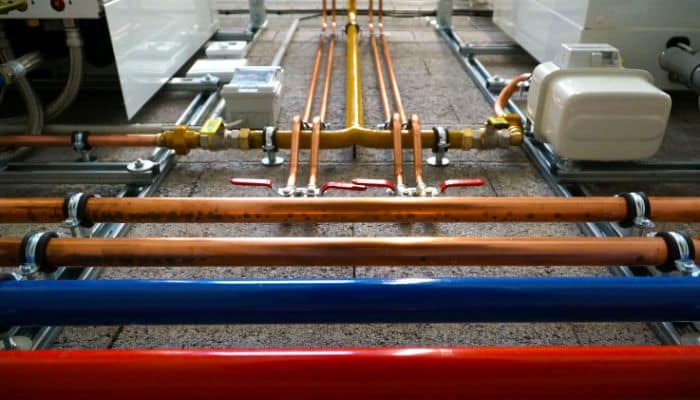
Yes, solar water heaters can be worth considering if your home has adequate sunlight, suitable roof space, and enough hot-water demand to justify the installation. A solar water heating system can reduce the energy required to heat household water, but it also has disadvantages, including higher upfront costs, weather-dependent performance, space requirements, and the need for a backup heating system in many homes.
Before investing, homeowners should understand how solar water heating works, its advantages and disadvantages, and whether the system makes sense for their climate and household.
What Is a Solar Water Heater?
A solar water heater uses energy from the sun to heat water for showers, washing dishes, laundry, and other household needs.
Unlike solar photovoltaic (PV) panels, which convert sunlight into electricity, a solar water heating system captures the sun’s thermal energy and transfers that heat to water or a heat-transfer fluid.
Most systems include:
- Solar collectors installed on a roof or suitable location
- A storage tank for heated water
- Pipes and circulation components
- A pump and controller in many active systems
- A backup water heater for periods when solar energy is insufficient
Solar water heating systems can be active or passive. Active systems use pumps and controls to circulate water or heat-transfer fluid, while passive systems rely on natural circulation. In colder climates, closed-loop systems can use heat-transfer fluid and a heat exchanger to help protect the system from freezing.
Pros of Solar Water Heaters
1. Can Reduce Water-Heating Energy Costs
One of the biggest reasons homeowners consider solar water heating is the potential to reduce reliance on electricity, natural gas, or propane for hot water.
Once the system is installed, sunlight provides the energy used to capture heat. The actual savings depend on system design, household hot-water consumption, climate, fuel prices, and how much of the home’s hot-water demand the solar system can cover.
2. Uses Renewable Solar Energy
Solar water heaters use a renewable energy source rather than depending entirely on conventional fuels.
For homeowners interested in reducing their household’s energy consumption or environmental impact, solar hot water can be an attractive option.
3. Can Work in Cold Climates
A common misconception is that solar water heaters only work in warm, sunny locations.
That is not necessarily true.
Modern solar hot-water systems can be designed for colder regions using insulated components, appropriate collectors, freeze protection, and backup heating. University of Maryland Extension notes that properly designed solar thermal systems can operate in Maryland and other cold climates.
However, winter performance depends heavily on system type, sunlight, shading, collector orientation, insulation, and temperature.
4. Can Complement an Existing Water Heater
A solar water heating system does not necessarily have to replace your conventional water heater completely.
In many installations, the solar system preheats water before it reaches the backup heater. The conventional unit then provides additional heating when the solar system cannot supply enough heat.
This approach can provide more consistent hot water throughout the year.
5. Long-Term Energy Savings Potential
Although installation can cost more than replacing a conventional water heater, solar water heating can provide long-term savings when the system is properly sized and installed.
The financial benefit is generally stronger for households with significant hot-water demand and favorable solar exposure.
Cons of Solar Water Heaters
1. Higher Upfront Installation Cost
The biggest disadvantage is often the initial investment.
A complete solar water heating installation can require collectors, mounting equipment, storage, plumbing, controls, pumps, heat exchangers, and professional labor.
The actual price varies significantly depending on the system type, home configuration, collector area, storage capacity, and installation requirements.
2. Performance Depends on Sunlight
Solar water heating does not produce the same amount of heat every day.
Cloud cover, seasonal changes, shading, roof orientation, snow, and shorter winter daylight hours can reduce solar energy collection.
That is why many systems use a conventional or other backup heater. University of Maryland Extension specifically notes that solar systems typically do not provide 100% of hot-water demand during colder conditions.
3. Requires Suitable Roof or Installation Space
Solar collectors need sufficient unshaded exposure to sunlight.
Before installation, a professional should evaluate:
- Available roof space
- Roof condition
- Shading from trees and buildings
- Roof orientation and pitch
- Structural considerations
- Distance between collectors and storage equipment
Poor site conditions can reduce system performance and increase installation complexity.
4. Cold Weather Requires the Right System Design
Freezing temperatures can create challenges for solar water heating equipment.
A system designed for a warm climate may not be appropriate for a Maryland home. Cold-climate installations may require a closed-loop system, heat-transfer fluid, insulation, freeze protection, and an appropriate backup heater.
Homeowners considering installation in colder regions should select equipment designed for their climate rather than choosing a system based solely on price.
5. Maintenance Is Still Important
Solar water heaters are not maintenance-free.
Depending on the system, maintenance may involve checking collectors, pumps, valves, connections, insulation, heat-transfer fluid, storage tanks, and other components.
Routine water heater maintenance can help identify leaks, corrosion, sediment, inefficient heating, and other problems before they become more expensive repairs. Professional maintenance is especially important for systems that combine solar collectors with conventional water-heating equipment.
Solar Water Heater vs. Solar Panel Water Heater: Are They the Same?
The terms can be confusing.
A solar water heater or solar thermal system uses sunlight directly to heat water.
A solar panel water heater may be used informally to describe a solar-powered water-heating setup, but conventional solar PV panels primarily generate electricity. That electricity can then power an electric water heater or heat-pump water heater.
Therefore, solar thermal and solar PV are related renewable technologies, but they do not work in exactly the same way.
Is Solar Water Heating Worth It?
A solar water heater may be worthwhile if you have:
- Good year-round solar exposure
- Suitable roof or installation space
- Significant hot-water demand
- A long-term ownership plan
- A properly designed backup heating system
- A system that matches your local climate
It may be less attractive if your property has substantial shade, limited roof space, low hot-water demand, or difficult installation conditions.
For homeowners in Maryland and other colder regions, system selection is particularly important. Evacuated-tube and properly designed closed-loop systems may offer advantages in cold-weather applications. Learn more about the best solar water heaters for cold climates before choosing a system.
How to Get the Most From a Solar Water Heating System?
Proper installation is only the beginning. Homeowners should also:
- Keep solar collectors free from excessive shading and debris.
- Monitor the system for leaks or unusual performance.
- Follow the manufacturer’s maintenance schedule.
- Inspect pumps, valves, piping, and connections where applicable.
- Maintain the backup water heater.
- Have complex repairs performed by a qualified professional.
- Make sure the system remains properly sized for household hot-water demand.
Regular maintenance can help protect efficiency and extend the useful life of the complete water-heating system.
Are Solar Water Heaters a Good Investment?
Solar water heaters can be an effective way to reduce conventional energy use for hot water, but they are not the right solution for every home. The best results come from matching the system to the property’s sunlight exposure, roof space, climate, household demand, and existing water-heating equipment.
For Maryland homeowners, cold-weather performance should be a major consideration. A properly designed system with appropriate freeze protection and backup heating can make solar water heating practical even when winter temperatures fall.
Before investing, compare the installation requirements, expected energy savings, maintenance needs, and long-term costs. A professional assessment can help determine whether solar water heating is a practical fit for your home.
Frequently Asked Questions About Solar Water Heaters
1. What are the main pros and cons of solar water heaters?
The main benefits include renewable energy use, potential energy savings, and reduced reliance on conventional fuels. The main disadvantages are higher upfront costs, weather-dependent performance, installation requirements, and the possible need for backup heating.
2. Do solar water heaters work in cold weather?
Yes. Solar water heaters can work in cold climates when the system is properly designed. Closed-loop systems, suitable collectors, insulation, freeze protection, and backup heating can help maintain performance during colder weather.
3. Does a solar panel water heater work on cloudy days?
It can still produce heat when sunlight is available through cloud cover, but output generally decreases as solar radiation decreases. A backup water heater is often used when solar energy cannot meet the home’s hot-water demand.
4. How much maintenance does a solar water heater need?
Maintenance depends on the system design. Active systems with pumps, controls, heat exchangers, and heat-transfer fluid generally require more attention than simpler passive systems. Routine inspections can help identify leaks, corrosion, scaling, and component problems.
5. Is solar water heating worth it for a Maryland home?
It can be, particularly when the home has adequate sunlight, suitable installation space, and consistent hot-water demand. However, Maryland homeowners should prioritize cold-weather system design, proper sizing, freeze protection, and backup heating before making a purchase.