 Apply for Financing
 855-410-TECH(8324)
 APPLY FOR FINANCING
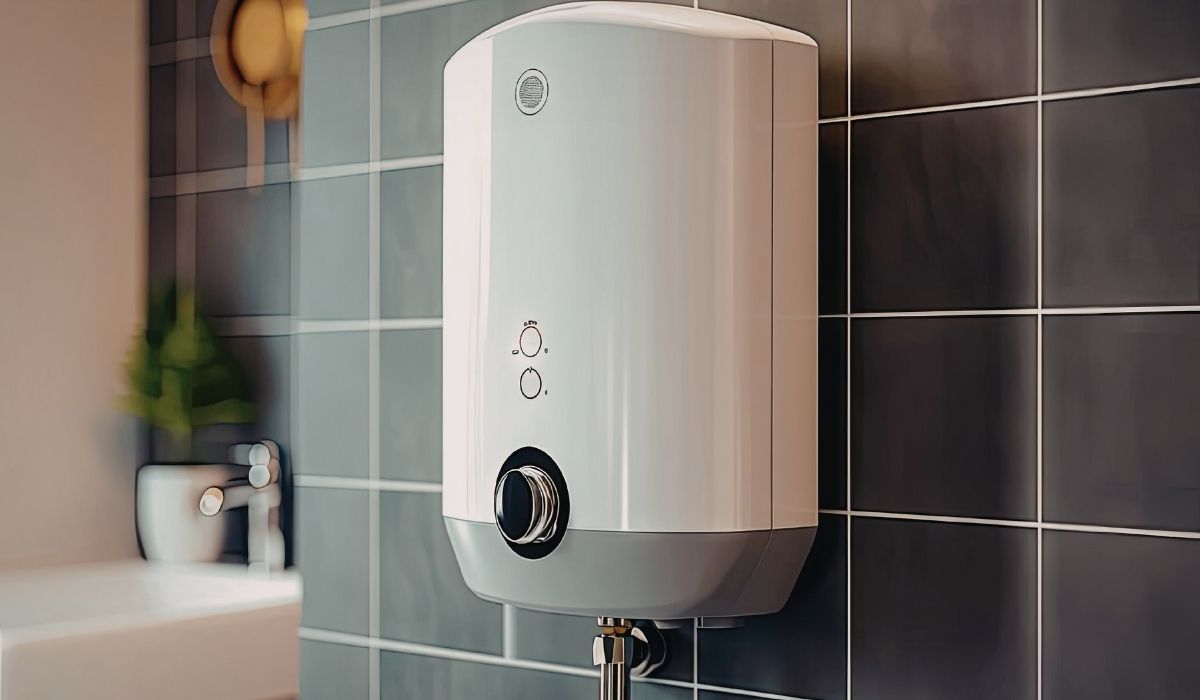
In most cases, a hot water heater doesn’t get hot enough due to incorrect thermostat settings, sediment buildup, a failing heating element, or an undersized unit. Identifying the root cause early can prevent bigger repairs and restore consistent hot water fast.
If your showers turn lukewarm halfway through or your kitchen tap never feels truly hot, you’re not alone. As licensed HVAC and plumbing professionals serving Maryland homeowners, we’ve seen this issue hundreds of times. Below, we break down the real reasons your water heater may not be producing enough heat—using practical, experience-backed insights.
9 Practical Reasons Your Water Heater Stop Heating
1. Thermostat Set Too Low or Malfunctioning
If your water heater thermostat is set below 120°F or is malfunctioning, the water may never reach the desired temperature, leading to lukewarm water throughout your home.
Many homeowners accidentally lower the thermostat during maintenance or while trying to reduce energy costs. Electric water heaters often have two thermostats (upper and lower), and if one fails, you’ll get inconsistent heating.
For most homes, 120°F is the recommended setting for safety and comfort. If you increase the temperature and still don’t get hotter water, the thermostat itself may be faulty and require professional testing or replacement.
2. Sediment Buildup Inside the Tank
Sediment accumulation at the bottom of the tank creates a barrier between the heating element and water, reducing efficiency and preventing your hot water heater from reaching proper temperatures.
In Maryland, mineral-rich water is common. Over time, minerals like calcium and magnesium settle inside the tank. This buildup forces your heater to work harder while producing less heat.
Warning signs include:
-
Rumbling or popping sounds
-
Reduced hot water supply
-
Higher utility bills
Flushing the tank annually can significantly extend the life of your unit. If buildup has hardened, you may need sudden hot water heater repair to restore performance.
3. Faulty Heating Element (Electric Units)
A burned-out upper or lower heating element in an electric water heater prevents water from heating fully, often resulting in partial or completely lukewarm water.
Electric water heaters rely on two heating elements. If the lower element fails, you may get a small amount of hot water that quickly turns cold. If the upper element fails, you might get no hot water at all.
Testing elements requires a multimeter and knowledge of electrical systems. For safety reasons, this is best handled by a licensed technician to prevent electric shock or further damage.
4. Gas Burner or Pilot Light Issues (Gas Units)
If you have a gas water heater, a weak flame, clogged burner, or extinguished pilot light can prevent water from heating to the correct temperature.
Common gas-related issues include:
-
Dirty burner assembly
-
Faulty thermocouple
-
Gas supply interruptions
If the pilot won’t stay lit or you smell gas, turn off the unit immediately and call a professional. Gas systems require certified handling for safety and code compliance.
5. Water Heater Is Too Small for Your Household
If your water heater capacity doesn’t match your household demand, you’ll frequently run out of hot water before it reaches or maintains full temperature.
A 40-gallon tank may work for two people—but not for a family of five running showers, laundry, and dishwashers simultaneously.
Signs your system is undersized:
-
Hot water runs out quickly
-
Temperature drops during multi-fixture use
-
Consistent complaints from family members
Upgrading to a larger tank or switching to a tankless system may be the long-term solution.
6. Broken Dip Tube
A damaged dip tube allows incoming cold water to mix at the top of the tank instead of the bottom, diluting hot water and causing lukewarm output.
The dip tube directs cold water downward so it can be heated properly. If it cracks or breaks, cold water immediately mixes with heated water near the outlet.
This issue is common in older systems and often requires part replacement. Fortunately, repairs are typically affordable when caught early.
7. Crossed Plumbing Connections
Improper plumbing connections can allow cold water to mix with hot water before it reaches your fixtures, reducing overall temperature.
This can happen after DIY plumbing work or improper installations. If your heater seems functional but water never gets fully hot, crossed lines may be the hidden culprit.
If you recently had installation work done, review this guide on common water heater installation errors that reduce efficiency to see if improper setup could be affecting your system.
8. Aging Water Heater Nearing End of Life
Water heaters older than 8–12 years naturally lose efficiency, struggle to maintain temperature, and may fail to deliver consistently hot water.
Over time, internal components degrade, insulation weakens, and heating elements become less effective.
You can check your unit’s age using the serial number label. If your system is over a decade old and showing performance issues, it may be more cost-effective to replace rather than repair.
9. Electrical or Power Supply Problems
A tripped breaker, blown fuse, or wiring issue can prevent your water heater from operating at full heating capacity.
Check your electrical panel for tripped breakers. Reset once if necessary—but if it trips again, this indicates a deeper issue.
Repeated breaker trips may signal:
-
Shorted heating element
-
Wiring fault
-
Thermostat failure
This requires licensed diagnostic service to prevent fire hazards.
When to Call a Water Heater Technician
If you’ve checked thermostat settings and still experience lukewarm water, it’s time for expert evaluation. Delaying repairs can increase energy costs and worsen internal damage.
Our technicians often find that homeowners wait too long after the first signs of temperature inconsistency. If your system suddenly stopped heating altogether, you may find additional guidance in this detailed resource on why your water heater stopped working entirely.
Professional inspection ensures:
-
Accurate diagnostics
-
Code-compliant repairs
-
Safe gas or electrical handling
-
Extended system lifespan
How to Prevent Hot Water Temperature Problems
Preventative maintenance is the most effective way to avoid insufficient hot water.
Recommended best practices:
-
Flush tank annually
-
Inspect anode rod every 3–5 years
-
Test thermostat settings
-
Schedule annual professional inspection
-
Address small performance changes early
Routine maintenance can extend a water heater’s life by several years and maintain energy efficiency.
Final Thoughts: Restore Reliable Hot Water Fast
If your hot water heater isn’t getting hot enough, the issue usually stems from thermostat settings, sediment buildup, heating element failure, or system aging. Identifying the cause early prevents costly breakdowns.
Whether it’s a minor adjustment or a major component replacement, addressing the problem promptly ensures comfort, safety, and energy efficiency.
If you’re unsure what’s causing the issue, a licensed HVAC or plumbing professional can quickly diagnose and restore consistent hot water—so your showers stay hot and your home runs smoothly.