 Apply for Financing
 855-410-TECH(8324)
 APPLY FOR FINANCING
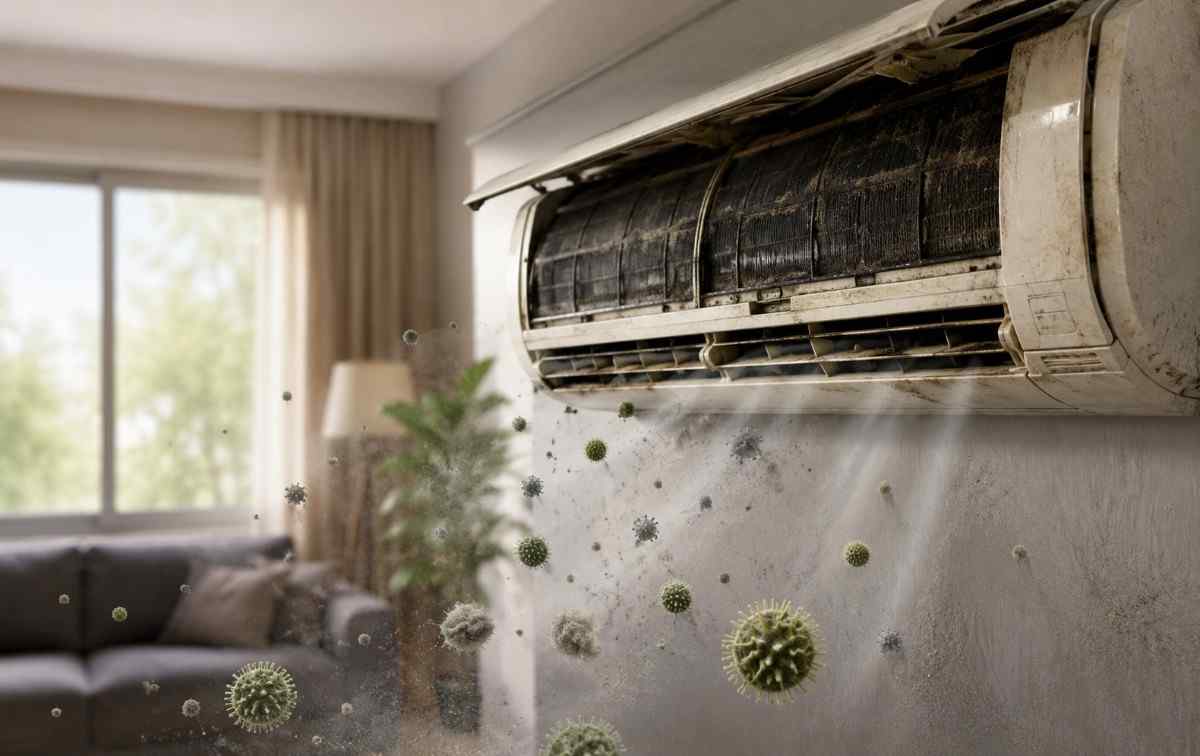
Yes, an old AC unit can significantly reduce indoor air quality. Aging air conditioning systems often struggle to filter pollutants, control humidity, and circulate clean air efficiently, leading to increased dust, allergens, mold growth, and airborne contaminants inside your home.
If your air conditioner is more than 10–15 years old, it may not only impact comfort and energy efficiency but also contribute to unhealthy indoor air conditions that affect your family’s health.
How Does an Old AC Unit Affect Indoor Air Quality?
An aging air conditioner gradually loses its ability to maintain clean and healthy indoor air. Components such as filters, coils, ducts, and blowers wear down over time, allowing pollutants to circulate throughout the home.
As efficiency declines, the system may struggle to remove dust, pet dander, pollen, and other airborne particles. This can lead to respiratory irritation, allergy flare-ups, and an overall decline in indoor comfort.
Dirty Air Filters Can Spread Contaminants Throughout Your Home
Air filters are the first line of defense against airborne pollutants. When filters become clogged or are not replaced regularly, contaminants accumulate and recirculate through your living spaces.
Older AC systems often require more frequent maintenance because aging components can cause filters to become overloaded faster. This increases the likelihood of poor airflow and reduced filtration performance.
Old AC Units Can Create Ideal Conditions for Mold Growth
One of the most important functions of an air conditioner is controlling indoor humidity. As systems age, they often become less effective at removing excess moisture from the air.
Higher humidity levels can encourage mold and mildew growth inside ducts, evaporator coils, and surrounding areas. These biological contaminants can release spores into the air, negatively impacting indoor air quality and potentially causing health concerns.
Aging Components May Require Professional Repairs or Replacement
When an older air conditioner begins affecting indoor air quality, homeowners often face a choice between repairs and replacement. Frequent breakdowns and declining performance can indicate that the system is nearing the end of its lifespan.
In many cases, investing in new ac unit repair assessments from qualified HVAC professionals can help determine whether repairing the system is cost-effective or if upgrading to a modern unit would provide better air quality and efficiency benefits.
Poor Airflow Allows Dust and Allergens to Accumulate
Proper airflow is essential for maintaining healthy indoor air. Older AC systems frequently experience blower motor issues, duct leakage, and reduced airflow capacity.
When air circulation becomes restricted, dust, allergens, and microscopic particles settle throughout the home. Over time, these contaminants can build up and contribute to unhealthy indoor environments, especially for individuals with asthma or allergies.
Worn Evaporator Coils Can Harbor Bacteria and Debris
Evaporator coils collect moisture during normal operation. In older systems, dirt and debris can accumulate on coil surfaces, creating an environment where bacteria and microbial growth may develop.
Without routine AC service and professional cleaning, these contaminants can circulate through your ventilation system, reducing air quality and causing unpleasant odors indoors.
Increased Indoor Humidity Can Trigger Health Problems
Excess humidity does more than create discomfort. It can also encourage dust mites, mold growth, and bacterial activity that negatively affect indoor air quality.
An aging air conditioner may struggle to maintain balanced humidity levels, leading to conditions that can worsen respiratory symptoms and allergy-related issues among household members.
Signs Your Air Conditioner May Be Affecting Indoor Air Quality
Several warning signs can indicate that your AC system is contributing to poor indoor air quality. Recognizing these symptoms early can help prevent larger HVAC issues and health concerns.
Common indicators include persistent dust accumulation, musty odors, uneven cooling, rising humidity levels, increased allergy symptoms, and frequent AC repair needs.
Can AC Maintenance Improve Indoor Air Quality?
Regular AC service is one of the most effective ways to maintain healthy indoor air. Professional inspections help identify clogged filters, dirty coils, mold growth, and airflow restrictions before they become serious problems.
An experienced air conditioner specialist can clean critical components, improve airflow efficiency, and ensure your system is effectively filtering indoor pollutants throughout the year.
When Should You Replace an Old AC Unit?
Most air conditioning systems have an expected lifespan of approximately 10 to 15 years. If your unit frequently requires repairs, struggles to maintain indoor comfort, or contributes to poor air quality, replacement may be the smarter long-term investment.
If you’re evaluating upgrade costs, this guide on air conditioning replacement costs and system options can help you understand what to expect when investing in a new cooling system:
Modern air conditioner systems offer advanced filtration technology, improved humidity control, and enhanced energy efficiency that support healthier indoor environments.
How New Air Conditioning Systems Improve Indoor Air Quality
Today’s HVAC systems are designed with indoor air quality in mind. Many modern units include advanced filtration capabilities, variable-speed technology, and enhanced moisture control features.
These improvements help remove airborne contaminants more effectively while maintaining balanced humidity levels, creating a cleaner and healthier living space for homeowners.
Final Thoughts
An old AC unit can absolutely contribute to poor indoor air quality by allowing dust, allergens, mold spores, and excess humidity to circulate throughout your home. While regular AC service and maintenance can extend system performance, aging equipment eventually loses its ability to provide clean, healthy airflow.
If your air conditioner is over a decade old and you’re noticing declining air quality, frequent AC repair issues, or rising energy costs, consulting an air conditioner specialist can help determine whether repair or replacement is the best solution. Investing in a modern air conditioning system can improve comfort, efficiency, and the overall health of your indoor environment.