 Apply for Financing

 855-410-TECH(8324)
 APPLY FOR FINANCING
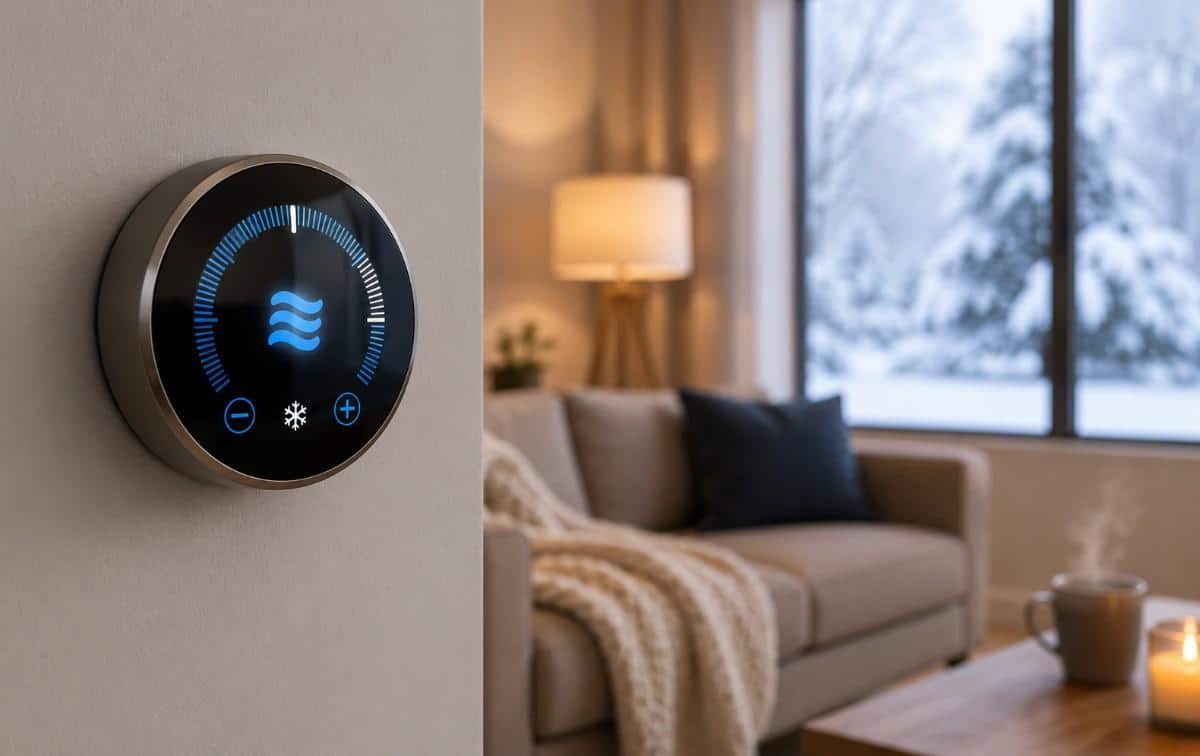
The ideal thermostat setting for most heat pumps during winter is 68°F (20°C) while you’re home and awake. At night or when you’re away for several hours, lowering the temperature by 2–3°F can improve efficiency without triggering excessive auxiliary heat. Unlike conventional furnaces, heat pumps perform best when maintaining a consistent temperature instead of making large adjustments throughout the day.
For homeowners using variable-speed heat pumps or cold climate heat pumps, keeping the thermostat at a steady setting allows the system to operate efficiently while maintaining consistent indoor comfort.
Why Heat Pumps Need Different Thermostat Settings?
Heat pumps don’t generate heat the same way gas furnaces do. Instead, they transfer heat from the outdoor air into your home—even during cold weather.
Because of this operating method:
- They run longer at lower speeds.
- They maintain temperatures gradually.
- Large thermostat adjustments can activate auxiliary heat, which uses more electricity.
- Consistent settings improve comfort and reduce energy consumption.
Instead of frequently changing the thermostat throughout the day, allow the heating system to maintain a stable indoor temperature.
Recommended Winter Thermostat Settings
Here are the recommended settings for most homes using heat pumps.
During the Day
- Set thermostat to 68°F (20°C)
- Maintain the same temperature whenever possible
- Avoid raising the temperature by more than 2°F at one time
While Sleeping
- Lower temperature to 65–66°F
- Smart thermostats can automatically make small adjustments
When Away From Home
- Reduce temperature by 2–3°F
- Avoid dropping below 62°F during extremely cold weather
These settings balance comfort with lower energy consumption while minimizing the need for auxiliary heat.
Should You Keep the Thermostat at One Temperature?
Yes—in most cases.
Unlike traditional heating systems, heat pumps lose efficiency when recovering from large temperature setbacks. Raising the thermostat several degrees at once often forces the system to rely on auxiliary heating strips.
Keeping the thermostat steady allows the heat pump to operate efficiently throughout the day and reduces unnecessary wear on the equipment.
If you notice your system frequently switching to emergency or auxiliary heating, it may be time to schedule a professional heat pump repair service to restore peak performance before energy costs rise.
How Auxiliary Heat Affects Winter Efficiency?
Auxiliary heat is designed as a backup heating source when outdoor temperatures become extremely cold or when the thermostat setting increases rapidly.
Although helpful during severe weather, auxiliary heat:
- Uses significantly more electricity
- Increases monthly utility bills
- Should only operate when necessary
- May indicate the heat pump is struggling in freezing temperatures
Modern cold climate heat pumps rely much less on auxiliary heating thanks to improved compressor technology and advanced refrigerants.
Best Thermostat Practices for Maximum Indoor Comfort
Following a few simple habits can improve comfort while lowering heating costs.
Keep Temperatures Consistent
Avoid making frequent manual adjustments throughout the day.
Use a Programmable or Smart Thermostat
Modern thermostats gradually adjust temperatures, preventing unnecessary activation of auxiliary heat.
Don’t Constantly Raise the Temperature
If your home feels cold, increasing the thermostat by several degrees won’t heat the home faster. Heat pumps warm spaces gradually.
Replace Air Filters
Dirty filters restrict airflow, making your heating system work harder.
Seal Air Leaks
Prevent warm air from escaping through windows, doors, and attic spaces.
These practices improve indoor comfort while helping your system operate efficiently all winter.
Variable-Speed Heat Pumps Offer Better Temperature Control
Many newer homes now use variable-speed heat pumps because they automatically adjust compressor speed based on heating demand.
Benefits include:
- More consistent indoor temperatures
- Lower energy consumption
- Quieter operation
- Better humidity control
- Reduced auxiliary heat usage
Instead of cycling on and off repeatedly, variable-speed systems run continuously at lower speeds, making them ideal for winter conditions.
Smart Thermostats and Heat Pumps
Not every smart thermostat is optimized for heat pumps.
When selecting one, choose a model specifically designed for heat pump systems with features such as:
- Adaptive recovery
- Heat pump compatibility
- Auxiliary heat management
- Energy usage reports
- Remote smartphone control
Proper thermostat programming helps maximize system efficiency throughout the heating season.
Common Winter Thermostat Mistakes
Many homeowners unintentionally increase heating costs through poor thermostat habits.
Avoid these common mistakes:
- Lowering the temperature by 8–10°F every night
- Raising the thermostat several degrees each morning
- Frequently switching between heating modes
- Using Emergency Heat unnecessarily
- Ignoring routine maintenance
- Blocking supply or return vents
Correcting these habits can significantly reduce energy consumption over the winter.
Routine Maintenance Keeps Heat Pumps Efficient
Even the best thermostat settings cannot compensate for a poorly maintained heat pump.
Seasonal maintenance should include:
- Cleaning indoor and outdoor coils
- Inspecting refrigerant levels
- Testing thermostat calibration
- Checking electrical components
- Lubricating moving parts
- Cleaning condensate drains
- Replacing air filters
Homeowners can also improve performance by following a heat pump maintenance checklist for long-term efficiency before winter begins. Preventive maintenance helps reduce breakdowns, improves indoor comfort, and extends the lifespan of your heating system.
When Your Thermostat Settings Aren’t the Problem
Sometimes poor heating performance isn’t caused by thermostat settings at all.
Signs your heat pump may need professional attention include:
- Constant auxiliary heat operation
- Uneven room temperatures
- Weak airflow
- Strange noises
- Ice buildup on the outdoor unit
- Rising energy bills
- Short cycling
- System running continuously without warming the home
Professional diagnosis can identify issues before they become expensive repairs.
Conclusion
The best thermostat settings for heat pumps during winters focus on consistency rather than frequent adjustments. Keeping your thermostat around 68°F while home and reducing it only slightly when sleeping or away allows the system to work efficiently without relying heavily on auxiliary heat. Combined with routine maintenance, proper thermostat programming, and good insulation, these practices improve indoor comfort, reduce energy consumption, and help your heating system perform reliably throughout the winter months.
Frequently Asked Questions
What temperature should I keep my heat pump at during winter?
Most HVAC professionals recommend 68°F (20°C) while you’re home. Small adjustments of 2–3°F are better than large temperature changes.
Is it better to leave a heat pump at one temperature?
Yes. Heat pumps operate most efficiently when maintaining a consistent temperature instead of recovering from large setbacks.
Why does my heat pump switch to auxiliary heat?
Auxiliary heat activates when outdoor temperatures become very cold or when the thermostat is raised several degrees at once.
Do smart thermostats work well with heat pumps?
Yes, provided they’re designed for heat pump systems. Compatible models manage temperature changes gradually and reduce unnecessary auxiliary heat usage.
Can lowering the thermostat save money?
Yes, but only slightly. Lowering it by 2–3°F while you’re away or asleep can reduce energy consumption without forcing the system into auxiliary heat when reheating.
How often should a heat pump be serviced?
A professional inspection and maintenance visit at least once a year—preferably before winter—helps maintain efficiency, improve reliability, and extend the life of your heating system.