 Apply for Financing

 855-410-TECH(8324)
 APPLY FOR FINANCING
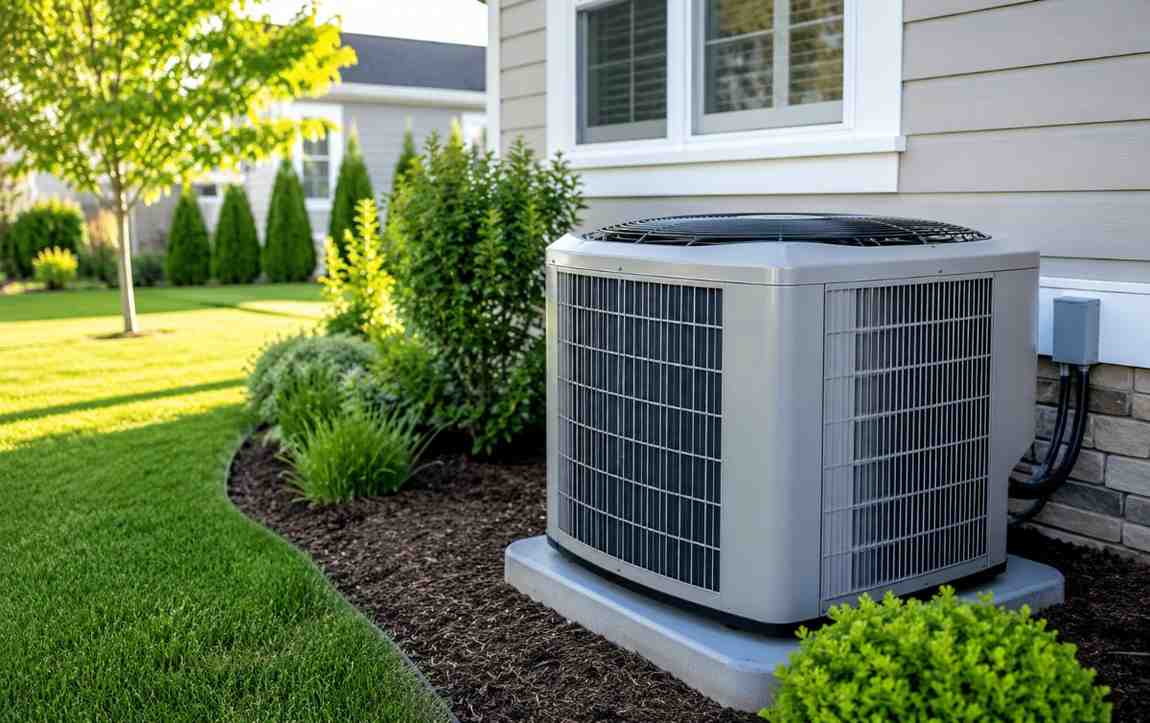
Choosing the right size air conditioner depends on your home’s square footage, insulation, ceiling height, local climate, sun exposure, and the number of occupants. A unit that is too small will struggle to cool your home efficiently, while an oversized system will cycle on and off too frequently, wasting energy and reducing indoor comfort. Most homes require an air conditioner with a properly calculated BTU rating rather than simply selecting the largest available unit. A professional load calculation is the best way to determine the ideal cooling capacity for your home.
Why Air Conditioner Size Matters at Home?
Many homeowners believe that a larger air conditioner delivers better cooling. In reality, selecting the wrong size can increase electricity costs, reduce system lifespan, and create uneven temperatures throughout your home.
A correctly sized air conditioning system maintains consistent temperatures, controls indoor humidity, improves airflow, and operates efficiently throughout the cooling season.
If you’re planning to replace your current system, working with nearby air conditioner installers ensures your home is professionally evaluated before choosing a new unit. Experts perform detailed calculations to match the right cooling capacity with your home’s unique requirements, helping you avoid costly sizing mistakes.
What Does Air Conditioner Size Mean?
Air conditioner size refers to its cooling output rather than its physical dimensions. Cooling performance is measured in British Thermal Units (BTUs) per hour or in tons.
General conversion:
- 1 Ton = 12,000 BTUs
- 1.5 Ton = 18,000 BTUs
- 2 Ton = 24,000 BTUs
- 2.5 Ton = 30,000 BTUs
- 3 Ton = 36,000 BTUs
- 4 Ton = 48,000 BTUs
- 5 Ton = 60,000 BTUs
The correct BTU rating depends on much more than floor area alone.
Air Conditioner Size Guide by Home Size
Although every home is different, these estimates provide a useful starting point.
Up to 600 sq. ft.
Recommended size:
- 5,000–12,000 BTUs
Ideal for:
- Apartments
- Small studios
- Single rooms
600–1,000 sq. ft.
Recommended size:
- 12,000–18,000 BTUs
Ideal for:
- Small homes
- Condos
- Two-bedroom apartments
1,000–1,500 sq. ft.
Recommended size:
- 18,000–24,000 BTUs
Ideal for:
- Medium-sized homes
- Townhouses
1,500–2,000 sq. ft.
Recommended size:
- 24,000–36,000 BTUs
Ideal for:
- Three-bedroom homes
- Larger single-story houses
2,000–2,500 sq. ft.
Recommended size:
- 36,000–48,000 BTUs
Ideal for:
- Larger family homes
More Than 2,500 sq. ft.
Recommended size:
- 48,000–60,000 BTUs or multiple systems
Professional sizing becomes especially important for larger homes with multiple floors.
Factors That Affect the Right Air Conditioner Size
Square footage is only one part of the equation. HVAC professionals evaluate several additional factors before recommending an air conditioner.
1. Home Insulation
Well-insulated homes retain cooled air more effectively and may require less cooling capacity than poorly insulated properties.
2. Ceiling Height
Higher ceilings increase the volume of air that must be cooled, often requiring a larger system.
3. Climate Zone
Homes in warmer climate zones, such as Maryland during humid summers, typically need greater cooling output than homes in cooler regions.
4. Number of Windows
Large windows and extensive glass allow more heat to enter your home, increasing cooling demand.
5. Sun Exposure
South-facing homes or homes with limited shade generally require more cooling than shaded properties.
6. Number of Occupants
Each additional person generates heat, which can influence the required BTU rating.
7. Kitchen Appliances
Cooking appliances produce extra heat, especially in open-concept homes, affecting overall cooling requirements.
What Happens If Your Air Conditioner Is Too Small?
An undersized unit often struggles to maintain comfortable indoor temperatures.
Common problems include:
- Constant operation
- Higher energy bills
- Uneven cooling
- Excessive wear on components
- Reduced indoor comfort
- Difficulty cooling during extreme heat
Over time, the system may experience premature breakdowns because it rarely gets a chance to rest.
What Happens If Your Air Conditioner Is Too Large?
An oversized system creates different problems.
These include:
- Short cycling
- Poor humidity removal
- Frequent starts and stops
- Increased maintenance
- Higher installation costs
- Reduced equipment lifespan
Instead of creating better comfort, oversized systems often leave rooms feeling cold yet humid because they shut off before completing a full cooling cycle.
How HVAC Professionals Determine the Correct Size?
Professional HVAC contractors use a Manual J load calculation rather than relying solely on square footage.
This assessment considers:
- Home dimensions
- Insulation levels
- Window placement
- Roof construction
- Local weather conditions
- Number of occupants
- Air leakage
- Orientation to the sun
This process ensures the selected air conditioning system delivers optimal cooling capacity, efficient airflow, and long-term performance.
Should You Replace an Older Air Conditioner with the Same Size?
Not necessarily.
Modern homes often receive insulation upgrades, new windows, roofing improvements, or layout changes that alter cooling requirements. Likewise, today’s high-efficiency systems may provide better performance with a different capacity than your previous unit.
If you’re budgeting for a replacement, read our guide on how much a new air conditioning unit costs:
Reviewing installation costs alongside proper sizing helps you make a more informed investment.
Final Thoughts
The best air conditioner size for your home is one that matches your property’s actual cooling needs rather than simply its square footage. Proper sizing improves energy efficiency, lowers operating costs, extends equipment life, and provides consistent indoor comfort throughout the summer. Because every home differs in design, insulation, occupancy, and climate zone, a professional assessment remains the most reliable way to select the right system.
Frequently Asked Questions
What size air conditioner do I need for a 2,000-square-foot home?
Most 2,000-square-foot homes require approximately a 3 to 4-ton system (36,000–48,000 BTUs), depending on insulation, ceiling height, and local climate.
Is a bigger air conditioner better?
No. Oversized units cool too quickly, short cycle frequently, remove less humidity, and often consume more energy over time.
What is BTU in an air conditioner?
BTU (British Thermal Unit) measures an air conditioner’s cooling output. A higher BTU rating indicates greater cooling capacity.
Does climate affect AC size?
Yes. Homes in hotter or more humid climate zones typically require greater cooling capacity than homes in milder regions.
Can I determine AC size using only square footage?
Square footage provides a starting estimate, but insulation, windows, sun exposure, occupancy, ceiling height, and airflow also influence the correct size.
Should I hire a professional to size my new AC?
Yes. HVAC professionals perform a Manual J load calculation that accurately determines the ideal system size for maximum efficiency, comfort, and long-term performance.