 Apply for Financing

 855-410-TECH(8324)
 APPLY FOR FINANCING
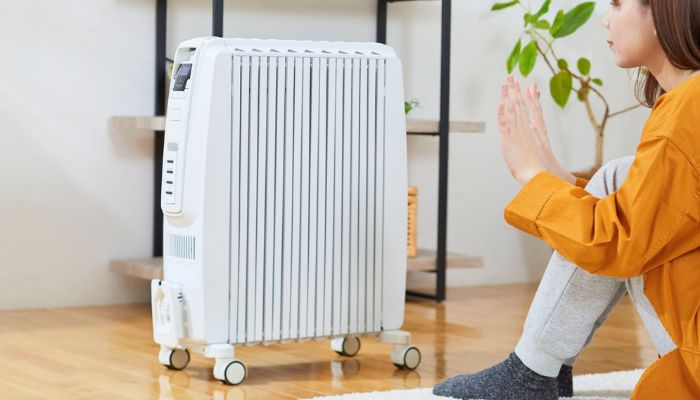
You can make your heater more efficient in extreme cold by sealing heat leaks, maintaining the system regularly, optimizing thermostat settings, improving airflow, and upgrading insulation—helping your home stay warm without wasting energy or money.
Why Heater Efficiency Matters More During Extreme Cold
Extreme cold forces your heater to work longer and harder, increasing energy use, wear, and breakdown risk if efficiency isn’t optimized.
When temperatures drop sharply, your heating system runs almost nonstop to maintain indoor comfort. Any inefficiency—dirty filters, leaky ducts, poor insulation, or outdated controls—gets magnified. This leads to higher utility bills, uneven heating, and potential system failure at the worst possible time. Improving efficiency isn’t just about savings; it’s about reliability, safety, and consistent comfort when you need it most.
Seal Air Leaks to Stop Heat Loss at the Source
Sealing air leaks around doors, windows, and attic openings prevents warm air from escaping and cold drafts from entering, reducing heater workload.
Air leaks are one of the biggest hidden energy drains in winter. Even small gaps let warm air escape continuously, forcing your heater to compensate. Use weather-stripping on doors, caulk window frames, and seal attic hatches or basement penetrations. According to HVAC professionals, sealing leaks can reduce heating energy loss by up to 20%, making it one of the fastest, most cost-effective efficiency upgrades.
Schedule Professional Heating Maintenance Before Problems Escalate
Routine professional maintenance keeps your heater clean, calibrated, and safe, ensuring peak efficiency during extreme cold without unexpected breakdowns.
A well-maintained heater runs smoother, uses less fuel, and lasts longer. Technicians inspect burners, heat exchangers, electrical components, and airflow to ensure everything operates correctly. If you notice strange noises, weak heat, or rising bills, searching for heater repair near you early can prevent minor issues from becoming costly emergencies during freezing weather.
Optimize Thermostat Settings for Cold Weather Efficiency
Lowering your thermostat slightly and using programmable or smart schedules reduces energy use without sacrificing comfort in extreme winter conditions.
Every degree you lower your thermostat can save 1–3% on heating costs. Set it lower when sleeping or away, and avoid frequent manual adjustments that force your system to overwork. Smart thermostats learn your routine and adjust automatically, balancing comfort with efficiency. Consistent, moderate settings are far more efficient than constant high-temperature demands.
Keep Heater Filters Clean and Airflow Unrestricted
Clean filters and unobstructed vents allow warm air to circulate efficiently, preventing your heater from overheating or running longer than necessary.
Dirty filters restrict airflow, making your heater strain to push warm air through the system. This increases energy consumption and shortens equipment lifespan. Replace or clean filters every 1–3 months during winter. Also ensure furniture, rugs, and curtains aren’t blocking vents or returns. Better airflow equals faster heating and lower operating costs.
Improve Duct Efficiency and Reduce Heat Loss
Well-sealed and clean ductwork ensures heated air reaches living spaces efficiently instead of being lost in attics, walls, or crawl spaces.
Leaky or dirty ducts can waste a significant portion of heated air before it reaches your rooms. Sealing joints and insulating exposed ducts improves system performance. Homeowners interested in DIY maintenance can learn practical steps from this guide on how to clean heating and air conditioning ducts yourself, which supports better airflow and overall heater efficiency.
Upgrade Insulation to Lock in Warmth
Proper insulation in attics, walls, and floors helps retain heat, reducing how often and how long your heater must run.
Insulation acts as a thermal barrier, keeping warm air inside during extreme cold. Older homes often lack adequate insulation, especially in attics. Upgrading insulation can dramatically improve comfort while lowering heating demand. This improvement works hand-in-hand with efficient heating equipment, making every unit of energy more effective.
Use Supplemental Heating Strategically
Targeted supplemental heating allows you to warm occupied rooms without overworking your central heating system.
Space heaters or zoned heating can be useful when used safely and sparingly. Instead of raising the thermostat for the entire house, heat the rooms you actually use. Always follow safety guidelines and never rely on supplemental heaters as a primary heat source. Used correctly, they can enhance comfort without significant energy waste.
Prepare Your Heating System for Extreme Weather Events
Proactive preparation ensures your heating system performs reliably during severe cold snaps, storms, or power-related disruptions.
Extreme winter weather can expose weaknesses in HVAC systems. Professional inspections, emergency planning, and system upgrades help homeowners stay prepared. For real-world guidance, see how local experts support winter readiness in this resource about dependable HVAC services helping homeowners prepare for extreme weather, which highlights the importance of reliability, safety, and professional support during harsh conditions.
Efficiency Is About Smart Preparation
Making your heater more efficient in extreme cold isn’t about one quick fix—it’s a combination of sealing leaks, maintaining equipment, optimizing controls, and improving your home’s thermal envelope. Drawing on HVAC expertise and proven homeowner experience, these steps help reduce energy waste, lower bills, and keep your family comfortable and safe all winter long. With proper care and timely professional support, your heating system can handle even the coldest conditions with confidence and efficiency.