 Apply for Financing
 855-410-TECH(8324)
 APPLY FOR FINANCING
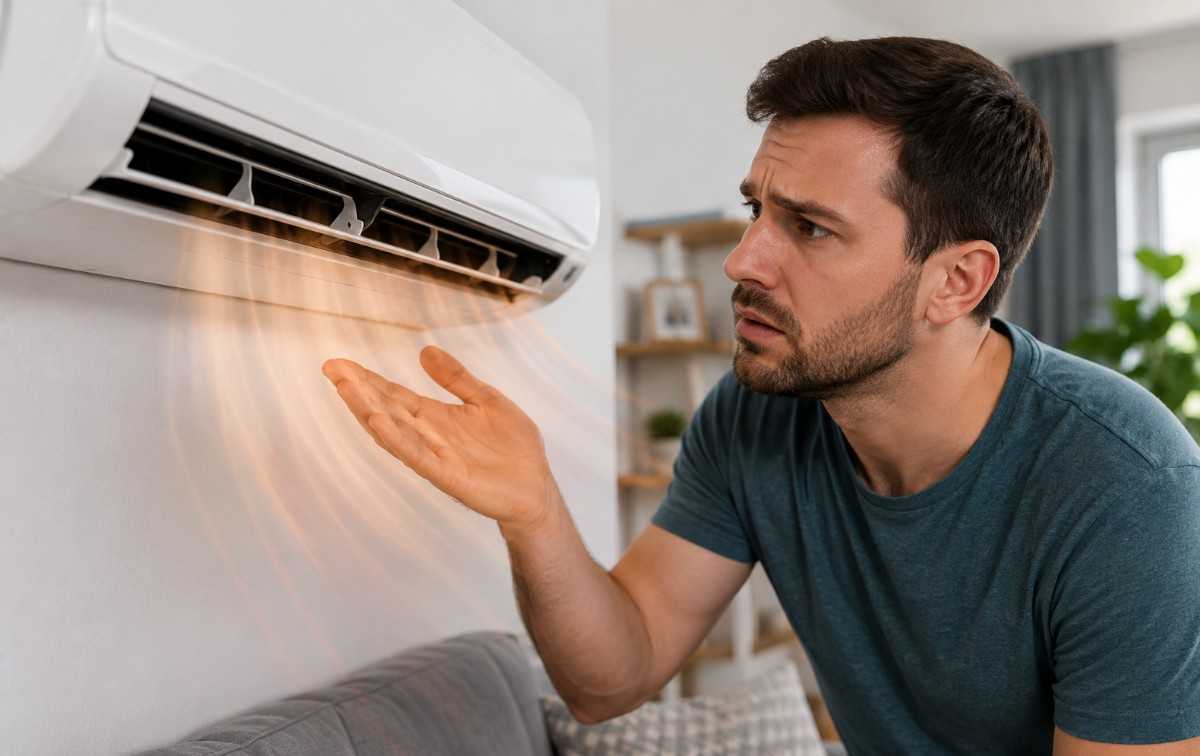
If your air conditioner is blowing warm air, the most common causes include incorrect thermostat settings, restricted airflow, dirty filters, refrigerant leaks, electrical issues, or a failing compressor. Identifying the root cause early can prevent costly repairs and restore indoor comfort quickly.
A properly functioning air conditioner should deliver consistent cool air throughout your home. When warm air starts coming from the vents instead, it can be frustrating—especially during the hottest months of the year. Understanding why your AC is not cooling effectively can help you determine whether the issue requires a simple fix or professional assistance.
Incorrect Thermostat Settings Can Make Your AC Blow Warm Air
One of the easiest issues to overlook is an incorrect thermostat setting. If the thermostat is accidentally switched to “Fan” instead of “Cool,” the system will circulate air without cooling it.
Before assuming there is a major problem, verify that your thermostat is set to the desired temperature and cooling mode. Smart thermostats can also experience programming errors, making it worthwhile to review schedules and settings. A quick adjustment may restore proper cooling without additional repairs.
Dirty Air Filters Restrict Airflow and Reduce Cooling Performance
A clogged air filter can significantly affect your air conditioner’s ability to cool your home. When airflow becomes restricted, the system struggles to move conditioned air through the ductwork efficiently.
Replacing or cleaning filters regularly improves airflow, enhances energy efficiency, and helps prevent unnecessary strain on the unit. Many HVAC professionals recommend checking filters every month and replacing them every 30 to 90 days depending on usage and indoor air quality conditions.
Refrigerant Leaks Prevent Effective Heat Transfer
Refrigerant is essential for removing heat from your indoor air. When refrigerant levels drop due to leaks, the cooling process becomes less effective, often resulting in warm air coming from vents.
Signs of a refrigerant problem may include hissing sounds, ice buildup on refrigerant lines, longer cooling cycles, and rising energy bills. Since refrigerant handling requires specialized training, contacting an experienced air conditioner specialist is the safest solution when leaks are suspected.
Electrical Issues Can Stop Critical AC Components From Working
Modern cooling systems rely on multiple electrical components to operate properly. Faulty capacitors, damaged wiring, tripped breakers, or malfunctioning contactors can prevent essential parts from functioning correctly.
When electrical failures occur, professional diagnosis is often necessary. Scheduling air conditioner repair service can help identify underlying issues before they lead to more extensive damage or complete system failure. Prompt repairs can also improve efficiency and extend equipment lifespan.
Frozen Evaporator Coils Can Cause Warm Air Problems
Evaporator coils absorb heat from indoor air. When these coils freeze, airflow becomes restricted and cooling performance drops dramatically.
Frozen coils are commonly caused by dirty filters, blocked vents, low refrigerant levels, or blower motor issues. If you notice ice accumulation on your indoor unit, turn the system off and allow it to thaw before seeking professional inspection. Addressing the root cause is essential to prevent recurring problems.
Dirty Outdoor Condenser Units Reduce Cooling Efficiency
Your outdoor condenser unit releases heat collected from inside your home. Dirt, leaves, grass clippings, and debris can obstruct airflow around the condenser, limiting its ability to dissipate heat.
Regular maintenance and cleaning help keep the condenser functioning efficiently. Homeowners should ensure there is adequate clearance around the outdoor unit and remove visible debris routinely. Professional ac service visits can provide deeper cleaning and performance evaluations.
Leaky Ductwork Allows Cool Air to Escape
Damaged or disconnected ducts can cause cooled air to escape before reaching living spaces. As a result, rooms may feel warmer even though the system appears to be operating normally.
Common indicators of duct leakage include uneven temperatures, weak airflow, increased utility costs, and excessive dust accumulation. Professional duct inspections can identify hidden leaks and improve overall system efficiency while enhancing indoor comfort.
For homeowners interested in improving overall HVAC performance, learning about home duct cleaning and maintenance best practices can be valuable.
Compressor Problems Can Prevent Proper Cooling
The compressor is often considered the heart of an air conditioner because it circulates refrigerant throughout the cooling system. When the compressor malfunctions, heat removal becomes impossible, resulting in warm air output.
Compressor issues may develop due to electrical failures, refrigerant imbalances, overheating, or age-related wear. Professional diagnosis is crucial because compressor repairs can be complex and may influence decisions regarding ac repair and replacement options.
Aging Systems May Require Air Conditioner Replacement
Even well-maintained air conditioning systems have a limited lifespan. Most residential units operate efficiently for approximately 10 to 15 years before experiencing increased breakdowns and reduced performance.
If your system frequently requires repairs, struggles to maintain temperatures, or generates unusually high energy bills, an air conditioner replacement may provide a more cost-effective long-term solution. Newer systems often offer improved efficiency, better humidity control, and enhanced comfort features.
Preventive Maintenance Helps Avoid Warm Air Issues
Routine maintenance remains one of the most effective ways to prevent cooling problems. Regular inspections allow technicians to identify small concerns before they develop into major repairs.
A comprehensive maintenance visit typically includes:
- Checking refrigerant levels
- Inspecting electrical components
- Cleaning evaporator and condenser coils
- Testing thermostat operation
- Replacing or cleaning air filters
- Evaluating airflow performance
- Inspecting ductwork for leaks
Consistent maintenance helps maximize system efficiency, reduce energy consumption, and extend the lifespan of your air conditioner.
Final Thoughts
If your air conditioner is blowing warm air, the issue may stem from something simple like a thermostat setting or something more complex such as refrigerant loss, compressor failure, or electrical problems. Understanding these common causes can help you respond quickly and minimize discomfort.
Regular maintenance, timely ac service, and professional inspections play a critical role in keeping your cooling system operating efficiently. Whether you need minor repairs or are considering an air conditioner replacement, addressing issues early can save money, improve comfort, and extend the life of your HVAC system.