 Apply for Financing
 855-410-TECH(8324)
 APPLY FOR FINANCING
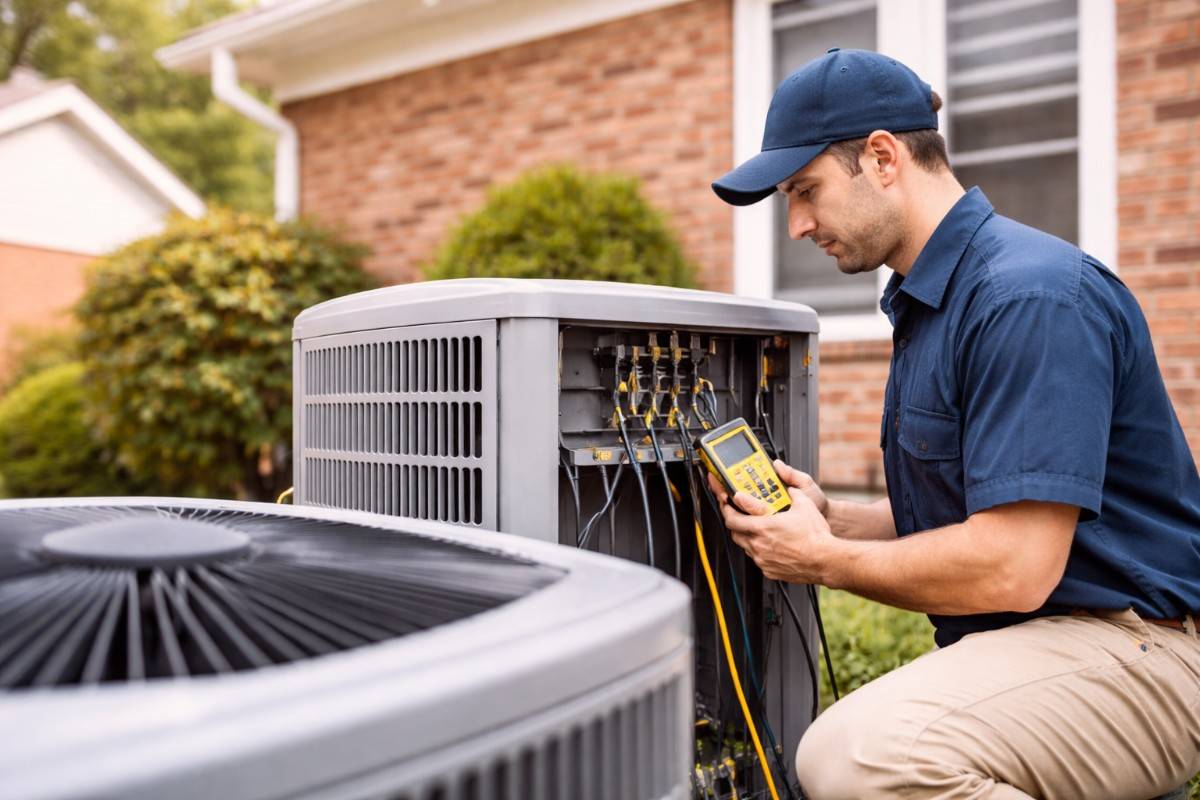
If your HVAC system is making unusual noises, it’s often a warning sign of loose parts, airflow issues, or mechanical wear. Ignoring these sounds can lead to costly breakdowns, especially in Maryland’s seasonal climate where systems work year-round.
Understanding what each noise means helps you act early, prevent damage, and decide when to call professional HVAC repair services.
What Does It Mean When Your HVAC System Starts Making Noise?
Strange HVAC noises usually indicate internal issues like loose components, airflow blockages, or failing motors. Identifying the sound type early helps prevent expensive hvac repair and ensures your heating and cooling system runs efficiently year-round.
When homeowners in Maryland hear unusual sounds from their air conditioner or heating system, it’s often the first sign something isn’t functioning correctly. While some noises are harmless, persistent or loud sounds should never be ignored. HVAC systems are designed to run quietly, so any deviation usually signals wear and tear, poor installation, or lack of maintenance.
Why Is My HVAC System Suddenly So Loud?
A sudden increase in HVAC noise typically results from worn-out parts, debris buildup, or airflow restrictions. Quick diagnosis can prevent further damage and reduce the need for major hvac services or system replacement.
If your system was previously quiet but has become noisy overnight, it could be due to loose screws, a broken fan blade, or clogged air filters. In Maryland homes, seasonal transitions—like switching from heating to cooling—can also trigger noise due to system strain or dormant components restarting after months.
Common HVAC Noises and What They Mean
Different HVAC sounds point to specific problems. Recognizing whether it’s banging, hissing, or squealing helps determine if you need simple maintenance or professional hvac contractors for immediate inspection and repair.
1. Banging or Clanking Sounds
Banging noises often indicate loose or broken internal parts such as connecting rods or blower components. These sounds require immediate attention to avoid serious damage to your heating system or air conditioner.
A loud banging sound is never normal. It could mean a part has come loose inside the compressor or blower assembly. Ignoring this can cause further internal damage, leading to expensive AC repair Maryland homeowners want to avoid.
2. Squealing or Screeching Noises
High-pitched squealing usually comes from worn belts or motor bearings. This is a common issue in older systems and requires prompt heating repair or lubrication by experienced hvac contractors.
If your system emits a screeching sound when turning on, it may indicate belt wear or motor issues. While some fixes are minor, delaying repair can lead to motor failure, significantly increasing repair costs.
3. Hissing or Whistling Sounds
Hissing noises often point to refrigerant leaks or air duct issues. Whistling may indicate restricted airflow, which can reduce efficiency and strain your HVAC system over time.
Refrigerant leaks are particularly concerning because they impact cooling performance and can harm the environment. If your noisy air conditioner produces a hissing sound, it’s best to contact professionals immediately.
4. Clicking Sounds During Operation
Clicking noises are normal during startup and shutdown, but continuous clicking may indicate electrical issues. Faulty relays or control boards should be checked by certified hvac services providers.
Persistent clicking could signal a failing thermostat or electrical component. These issues should be addressed quickly to prevent system failure or safety hazards.
When Should You Call Heating and Air Conditioning Contractors in Maryland?
If HVAC noises persist, worsen, or affect system performance, it’s time to contact heating and air conditioning contractors in Maryland. Professional diagnosis ensures accurate repairs, safety, and long-term system efficiency.
Homeowners often delay calling experts, hoping the noise will go away. However, early intervention can save money and extend your system’s lifespan. Certified technicians can quickly identify whether the issue lies in the compressor, ductwork, or electrical system.
How Seasonal Changes in Maryland Affect HVAC Noise
Maryland’s fluctuating temperatures can stress HVAC systems, causing components to expand, contract, or wear out faster. Seasonal transitions often reveal hidden issues, leading to increased heating system noise or air conditioner problems.
During winter, heating systems work harder, which can lead to rattling or humming sounds. In summer, heavy AC usage may expose issues like clogged coils or failing compressors. Regular seasonal maintenance is key to preventing these problems.
Can Dirty Filters Cause HVAC Noise?
Clogged air filters restrict airflow, forcing the system to work harder and produce unusual noises. Regular filter replacement improves efficiency and reduces the need for frequent hvac repair.
A dirty filter can cause whistling sounds due to restricted airflow. It can also lead to overheating, which may result in more severe mechanical issues. Replacing filters every 1–3 months is a simple yet effective way to maintain system health.
Is It Safe to Run a Noisy HVAC System?
Running a noisy HVAC system can worsen existing issues and lead to system failure. While minor sounds may be harmless, persistent or loud noises should always be inspected by hvac contractors.
Ignoring unusual sounds can turn minor repairs into major expenses. For example, a loose part left unchecked can damage surrounding components, increasing repair complexity and cost.
DIY Troubleshooting Before Calling HVAC Services
Basic troubleshooting like checking filters, tightening loose panels, and clearing debris can resolve minor HVAC noises. However, complex issues should always be handled by licensed hvac services professionals.
Before calling for help, homeowners can:
- Inspect and replace air filters
- Check for loose screws or panels
- Clear debris around the outdoor unit
- Ensure vents are not blocked
These simple steps can sometimes eliminate minor noise issues without professional intervention.
Preventing Future HVAC Noise Problems
Routine maintenance, timely repairs, and proper installation help prevent HVAC noise issues. Regular servicing ensures your heating and cooling system operates quietly and efficiently throughout the year.
Scheduling annual maintenance checks is one of the best ways to avoid unexpected problems. Technicians can identify worn parts, clean components, and ensure everything is functioning properly.
For example, learning how to clean your HVAC ducts properly can improve airflow and reduce noise—here’s a helpful guide on how to clean heating and air conditioning ducts yourself:
Could a Frozen AC Be Causing Noise?
Yes, a frozen air conditioner can produce unusual sounds due to restricted airflow and ice buildup. Addressing the root cause early prevents compressor damage and costly AC repair Maryland services.
Frozen coils can lead to cracking or bubbling noises as ice forms and melts. If you suspect this issue, it’s important to understand why it happens. Learn more about why a new AC might freeze up:
Final Thoughts: Don’t Ignore HVAC Noises
HVAC noises are early warning signs that shouldn’t be ignored. Whether it’s a noisy air conditioner or heating system noise, timely action can prevent costly repairs and ensure year-round comfort in Maryland homes.
By understanding the cause of different sounds and taking proactive steps, homeowners can maintain a quiet, efficient system. When in doubt, always consult professional hvac services to keep your system running smoothly and safely.