Auxiliary heat, often called AUX heat, is a supplemental heating source used by a heat pump when the heat pump cannot provide enough warmth on its own. It typically activates automatically during very cold outdoor temperatures or when the thermostat needs to raise the...
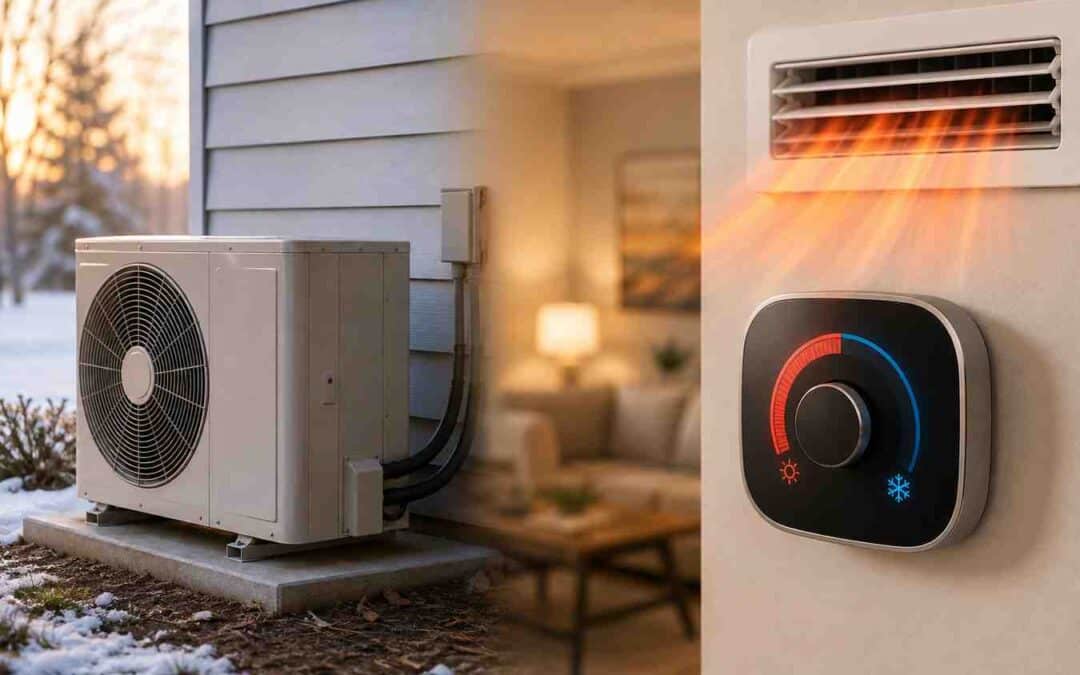
The ideal thermostat setting for most heat pumps during winter is 68°F (20°C) while you’re home and awake. At night or when you’re away for several hours, lowering the temperature by 2–3°F can improve efficiency without triggering excessive auxiliary heat....
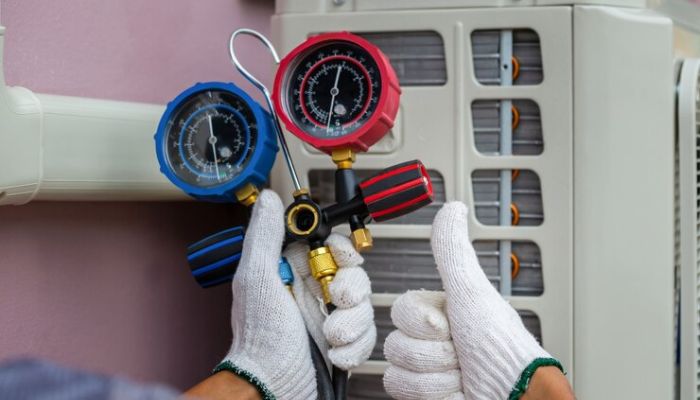
A properly maintained heat pump operates up to 25% more efficiently than a neglected system, directly reducing monthly utility bills while extending equipment lifespan. Because heat pumps handle both heating in the winter and cooling in the summer, they accumulate...
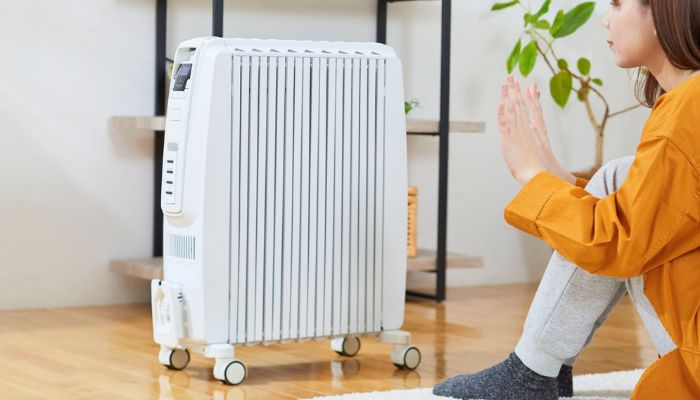
You can make your heater more efficient in extreme cold by sealing heat leaks, maintaining the system regularly, optimizing thermostat settings, improving airflow, and upgrading insulation—helping your home stay warm without wasting energy or money. Why Heater...
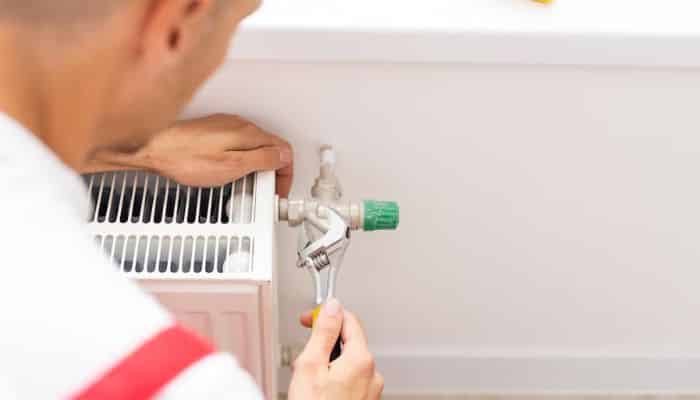
To bleed a radiator, turn off your heating, use a radiator key to open the bleed valve slightly, let trapped air escape until water flows, then close the valve and check your boiler pressure. This quick DIY fix restores heat and improves efficiency. If your radiators...
 Apply for Financing

 855-410-TECH(8324)
 APPLY FOR FINANCING

Recent Comments